BlackRock Buying Homes: Understanding the Impact on Real Estate and Communities
When people hear the phrase BlackRock buying homes, it sparks curiosity and sometimes concern. BlackRock, one of the largest asset management companies in the world, has increasingly invested in residential real estate. This strategy includes purchasing single-family homes, multi-unit residences, and even entire neighborhoods.
Their involvement in the housing market reflects a broader trend: large institutional investors viewing residential property as a long-term, stable asset class. This approach not only diversifies their investment portfolio but also taps into the consistent demand for housing, a fundamental human need.
Why BlackRock is Buying Homes
BlackRock’s move into housing is strategic. Residential properties are generally less volatile compared to commercial assets and provide steady rental income. In uncertain financial times, homes are seen as safer investments.
Additionally, the ongoing demand for rentals makes housing particularly attractive. As affordability challenges grow for many individuals, renting has become more common. By acquiring homes, BlackRock positions itself to benefit from a reliable and expanding rental market.
The Role of Single-Family Rentals
One major focus of BlackRock’s strategy is single-family rental homes. These properties appeal to families who want the lifestyle of a house but prefer the flexibility of renting instead of owning.
For BlackRock, single-family rentals create long-term revenue streams. Instead of flipping homes for quick profits, they often hold properties to generate stable cash flow. This aligns with their broader investment philosophy of building assets that appreciate steadily while producing income.
Institutional Investment in Housing Markets
BlackRock is not the only company buying homes; it represents a wider movement of institutional investors entering the residential real estate sector. By purchasing properties in bulk, firms can manage them efficiently, reduce costs, and standardize rental operations.
The presence of large investors brings both opportunities and challenges. On one hand, it can professionalize rental management, improving housing standards. On the other hand, it raises questions about affordability, competition with individual buyers, and the future of community ownership.
Technology Driving BlackRock’s Property Strategy
BlackRock relies heavily on technology to guide its real estate decisions. Advanced analytics allow them to identify markets with high growth potential, evaluate property values, and predict rental demand.
Artificial intelligence and big data also play a role in streamlining property management. From predictive maintenance to automated tenant communication, technology reduces operational costs and improves tenant satisfaction. For investors, this ensures that each home remains profitable and sustainable over the long term.
Suburban Single-Family Home Acquisitions

One of the clearest examples of BlackRock buying homes is its acquisition of suburban single-family properties. These homes are particularly attractive in growing metropolitan areas where demand for rentals is high.
By purchasing these homes, BlackRock capitalizes on shifting demographics, families moving from cities to suburbs in search of space and affordability. This strategy also positions them to benefit from long-term appreciation in suburban markets, which often see steady population growth.
Build-to-Rent Developments

Another significant case is BlackRock’s investment in build-to-rent communities. These developments are designed specifically for rental purposes, offering modern homes with community amenities such as gyms, pools, and coworking spaces.
This approach appeals to younger generations and professionals who value convenience and lifestyle flexibility. For BlackRock, it ensures a steady rental base while supporting a scalable and efficient property management model.
Multi-Family Housing Projects
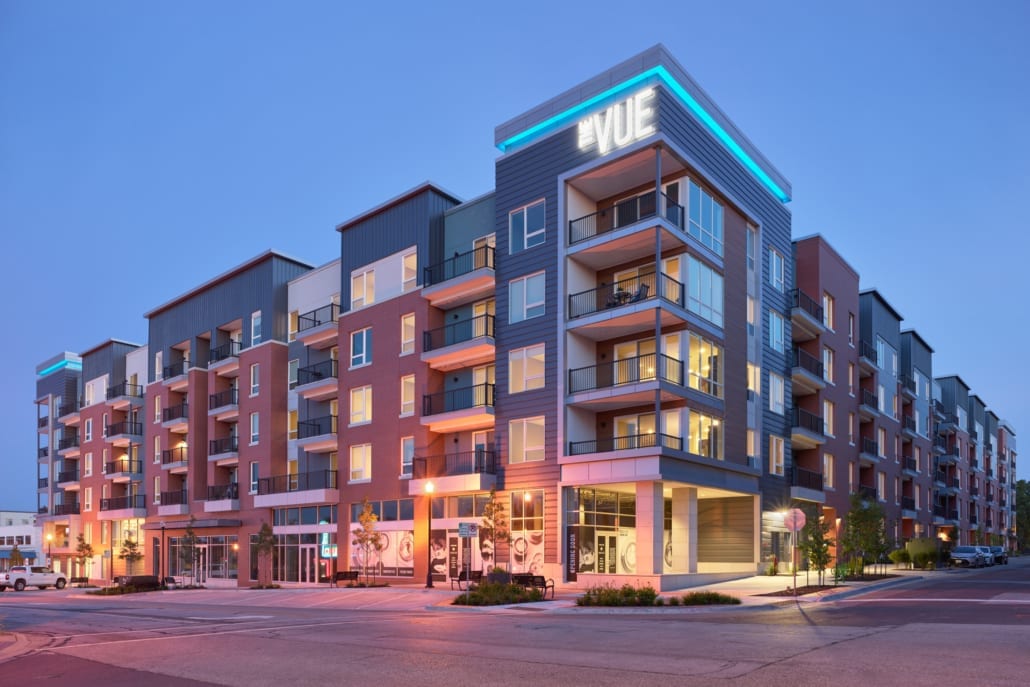
Beyond single-family homes, BlackRock has also invested in multi-family housing projects. These include apartment complexes in urban centers where demand for rentals is particularly strong.
Multi-family units provide immediate rental income from multiple tenants, diversifying risk and increasing revenue. For communities, these investments can bring modern, professionally managed housing options, though they can also raise questions about affordability and availability.
Affordable Housing Initiatives
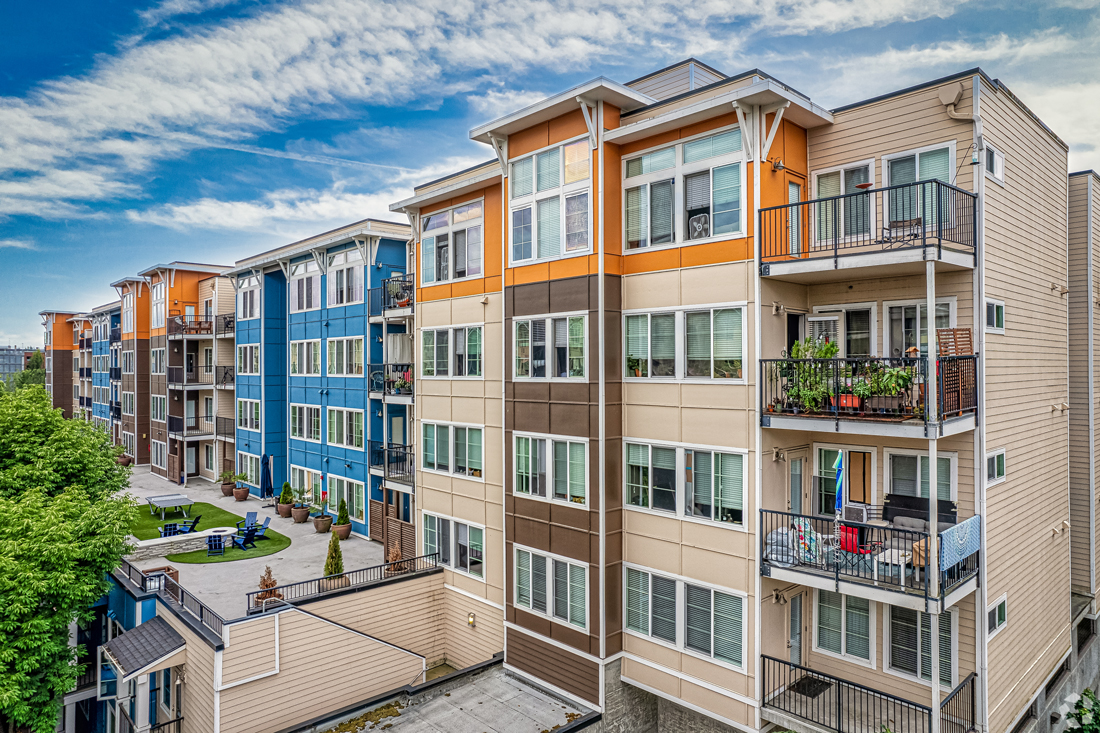
In some markets, BlackRock has partnered with developers to support affordable housing. While controversial, these projects reflect an effort to balance profitability with social responsibility.
Affordable housing investments provide BlackRock with long-term tenants while addressing growing concerns about housing shortages. For communities, these initiatives can bring new housing stock where it is most needed, though oversight remains important to ensure accessibility.
Urban Redevelopment Investments
BlackRock has also placed money into urban redevelopment projects, acquiring older properties and modernizing them for rental purposes. This strategy not only revitalizes neighborhoods but also aligns with sustainability goals by improving energy efficiency.
For tenants, redeveloped homes often mean modern amenities in desirable urban locations. For BlackRock, it represents a way to create value while responding to the demand for quality housing in cities.
Benefits of BlackRock Buying Homes
Stabilizing Rental Supply
By investing heavily in housing, BlackRock increases the availability of professionally managed rental homes. This can raise standards and provide tenants with better service.
Long-Term Investment Security
Housing offers consistent returns, and BlackRock’s involvement demonstrates confidence in real estate as a resilient asset. Their presence can also encourage broader investment in housing markets.
Technological Integration
With advanced technology, BlackRock can manage properties efficiently, predict tenant needs, and reduce maintenance costs. This benefits both the company and residents who experience smoother services.
Use Cases: Why This Matters in Real Life
Families Seeking Rental Stability
For families unable to buy due to affordability challenges, professionally managed rentals provide secure and stable living options. BlackRock’s role ensures that these homes are well-maintained.
Investors Learning from Institutional Models
Individual investors can adopt strategies similar to BlackRock, such as using technology for data-driven decisions or focusing on long-term rental income instead of short-term sales.
Communities Facing Redevelopment Needs
In urban areas needing revitalization, BlackRock’s investments can help modernize housing and infrastructure. This brings new life to communities while supporting economic growth.
Frequently Asked Questions
1. Why is BlackRock buying homes instead of other assets?
BlackRock views residential real estate as a stable investment that provides long-term rental income and asset appreciation. Compared to commercial real estate, homes are less volatile and always in demand.
2. Does BlackRock’s involvement make homes less affordable?
There are concerns that large-scale institutional buying may reduce affordability for individual buyers by increasing competition. However, it also expands rental options and can improve housing standards.
3. How does BlackRock use technology in property investments?
BlackRock leverages big data, analytics, and AI to identify high-potential markets, manage properties efficiently, and predict long-term rental demand. This ensures their investments remain profitable and sustainable.