Estates at Countryside Photos & Visual Insights: Architecture, Interiors, and Amenity Gallery
Photography plays a pivotal role in how potential residents, investors, and designers perceive a property. When someone searches for Estates at Countryside photos, they expect more than just snapshots; they want meaningful visual insight into architecture, finishes, amenities, and atmosphere.
In this article, we provide in-depth commentary on the photographic aspects of The Estates at Countryside. We discuss what images reveal about design, layout, materials, and resident experience. We’ll also present comparative photographic examples, explore how visual content can add value (especially via technology), discuss the benefits of strong visual representation, and walk through real use cases. Finally, we close with FAQs about the photographic presentation of properties.
Visual Storytelling: What the Photos Reveal
Exterior Architecture, Landscaping, and Curb Appeal
In many property galleries, the first images you’ll see are of the exterior and landscaping. For The Estates at Countryside, images show mid-rise residential buildings with muted, modern façade finishes, palm trees, and walking paths. These visuals set expectations for the style, scale, and setting of the complex.
The landscaping elements, mature trees, manicured lawns, and decorative planting beds are more than decoration. In photos, they help soften the building’s edges, provide a human scale, and contribute to a sense of place. Moreover, good exterior images also display how light falls on façades at different times of day, exposing shadows, textures, and architectural depth.
These exterior shots serve as a first impression: they tell you whether the property feels upscale, well-maintained, and in harmony with its surroundings.
Interior Spaces: Layouts, Finishes, and Atmosphere
Interior photos in the public gallery include living rooms, kitchens, bedrooms, bathrooms, and transitional areas. In The Estates at Countryside gallery, the interiors show open floor plans, clean lines, and contemporary finishes that communicate both functionality and style.
One sees panoramic living areas with large windows, letting in abundant natural light, which enhances the visual sense of space. In kitchen images, details like granite countertops, stainless steel appliances, tile or wood-style flooring, and modern cabinets are highlighted. These details tell a story of quality, which reassures viewers about material standards and maintenance.
Photos of bedrooms and bathrooms often focus on proportions, light fixtures, built-in closets, and surface finishes. By viewing these, a prospective resident gauges whether the layout suits their lifestyle and whether the quality matches expectations.
Understanding Amenity & Common Area Galleries
Pools, Clubhouses, and Outdoor Spaces

Amenity photos play an outsized role in shaping perception. In the gallery for The Estates at Countryside, you see resort-style pools, spa areas, lounging decks, and landscaped pool surrounds.
Poolside images reveal how water, tiles, seating, and shade structures are arranged. They convey whether it feels like a retreat, how privacy is managed, how traffic flow works, and how landscaping interacts with the built environment. These images offer cues on usability and maintenance.
Clubhouse and communal space photos often present lounges, event rooms, business centers, and indoor recreation rooms. These visuals show how residents might gather or work. They also inform about lighting, circulation, furniture layout, and overall ambiance.
Corridors, Lobbies, and Transitional Areas
Photos of lobbies, hallways, stairwells, and corridors often appear less glamorous but are critical. They reflect attention to everyday experience quality of finishes, lighting design, materials (tile, wood, paint), and wayfinding. A well-lit, clean corridor gives confidence in maintenance standards. Even the sequencing of transitions in images (from lobby to hallway to unit) tells a story about resident flow, privacy, and scale.
Real-World Example Photo Portfolios (Comparable Communities)
Below are three examples of properties whose photo portfolios offer instructive lessons. Each exhibits particular strengths in how they present themselves visually.
The Alexander at Countryside
The Alexander’s gallery emphasizes lush landscaping, pool edges, and perspective shots that show both the building massing and courtyard spaces. The balance between architectural elements and open space is well captured. Their interior shots also lean toward lifestyle, le showing staged furniture rather than bare units. This helps prospective residents imagine daily life. Alexander’s visual approach is relevant: when you compare their gallery to that of The Estates at Countryside, you can see how staging, angles, and context influence perceived quality and attractiveness.
The Palms at Countryside

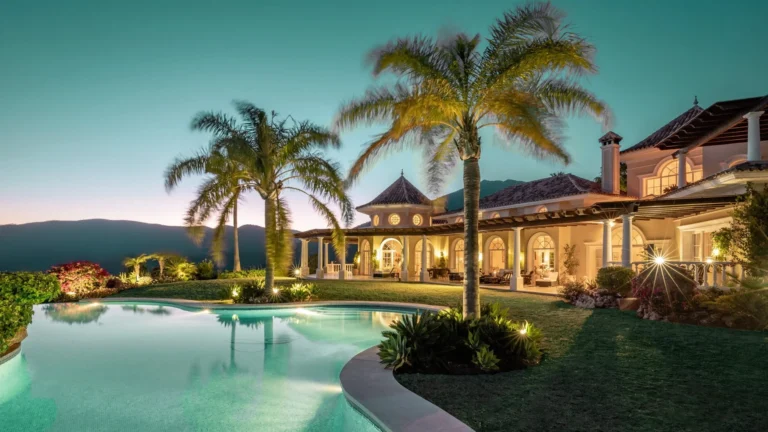
In the Palms’ photo set, special attention is given to lighting variants, daylight, twilight, and evening images. They show how the property looks under different lighting, adding dimension. They also include night photography of lit pathways, pool lighting, and façade illumination. These choices help prospective residents imagine the ambiance at all hours.
Comparing this to Estates at Countryside, one might consider supplementing gallery shots with evening exteriors or glow images to emphasize visual appeal beyond daylight hours.
A Modern Sun Belt Multifamily Gallery
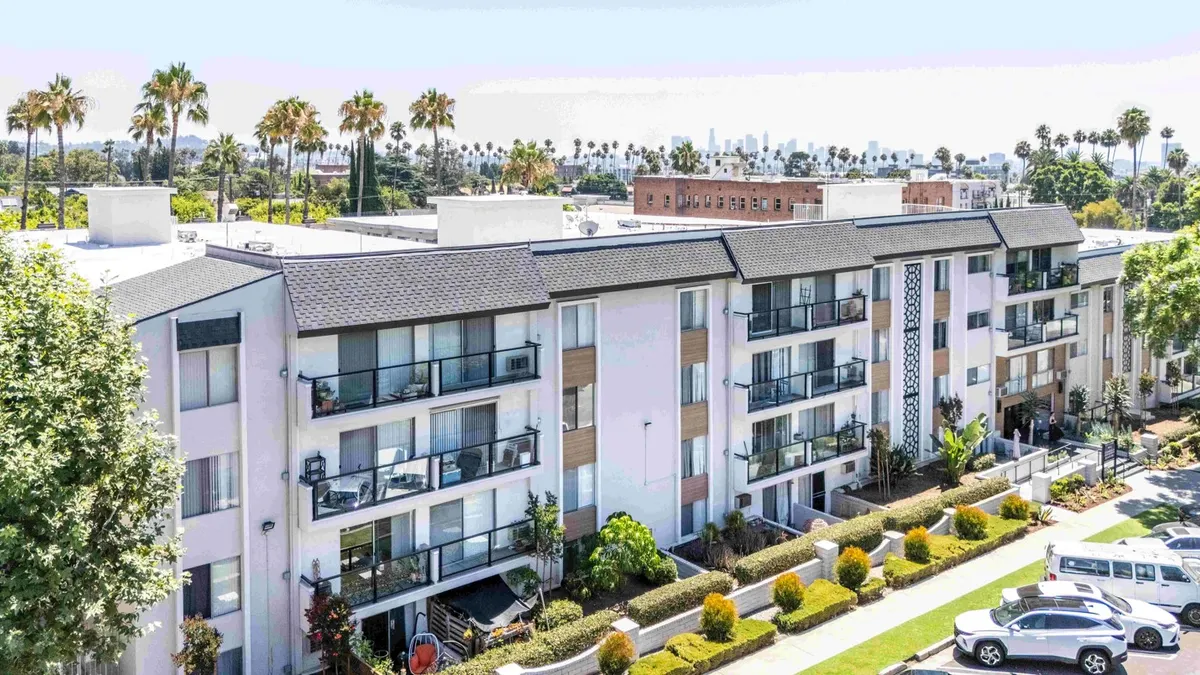
This gallery features drone aerial images, bird’s-eye views, and contextual surroundings. It shows broader site context, adjacency to neighborhoods, roads, and greenery. Also, interior shots are supplemented with lifestyle images of people using amenities, walking pets, or socializing. That context makes images more engaging.
For Estates at Countryside, adding drone or contextual images could bolster the gallery by showing how the community sits within its urban fabric and how open space relationships work.
The Power of Visuals: Technology & Presentation Enhancements
Virtual Tours, 3D Tours, and Interactive Galleries
High-quality static images are often complemented by virtual or 3D tours. These allow users to “walk through” spaces, switch viewpoints, and simulate movement. For example, some property listings include Matterport or other 3D tours to go from living room → kitchen → bedroom seamlessly. That immersive experience bridges the gap between still photos and real-life walkthroughs.
Interactive galleries can let users zoom in on textures, rotate objects, or see before/after transitions (e.g., prior vs renovated units). This deepens engagement and trust.
Image Optimization & Loading Strategy
Because photo-rich pages may slow down load times, proper image optimization matters. Techniques like lazy loading (loading images only when they are about to scroll into view), responsive image sizing, WebP formats, and compressing images without losing visual fidelity are essential. This improves user experience, which indirectly impacts SEO.
Also, proper alt text, descriptive filenames, and structured captions help search engines understand what each image represents, aiding image SEO (e.g, “Estates_at_Countryside_pool_view.jpg” with alt text “Resort style swimming pool at Estates at Countryside”).
Benefits of High-Quality Property Photography
Enhancing User Confidence and Decision-Making
Professionally shot, well-curated photo galleries reduce uncertainty. Prospective tenants or investors feel more confident about a property when they see interior finishes, amenities, and environment clearly. Visual transparency lowers perceived risk.
Marketing Differentiation & Branding
A compelling visual brand through consistent color grading, composition, and presentation style sets a property apart. When a gallery looks more polished than n competitors, it becomes a marketing advantage. It hints at care, quality, and attention to detail in the property’s operations.
Increased Engagement & Better Metrics
Properties with strong image content tend to receive more clicks, time-on-page, sharing, and leads. High-quality visuals keep visitors longer, reduce bounce rates, and improve engagement metrics, which is beneficial for SEO and conversion rates.
Scaling & Reuse Across Channels
Good property photography can be repurposed across social media, brochures, email campaigns, virtual tours, and printed materials. A well-shot set of images becomes an asset, not just a gallery.
Use Cases: How and When Photographic Content Solves Problems
Use Case 1: Remote Prospective Tenants
In leasing, many prospective tenants live far away and can’t visit in person. A strong photo portfolio, especially with virtual tours, can substitute for physical visits. It helps them assess if the property meets criteria before scheduling visits, reducing wasted tours.
Use Case 2: Investor Due Diligence
Investors evaluating a property rely not only on financial reports but also on visual evidence. A polished gallery complements financials by showing renovation quality, amenity condition, and maintenance level. This visual audit helps in risk assessment.
Use Case 3: Pre-Leasing & Marketing for New Units
When new units or buildings are under renovation, photographers can capture before/after images and staged units. Such imagery supports early marketing, pre-leasing, or advertisements. Prospective tenants see not just promises but what they will eventually receive.
Problem Solved: Ambiguity and Misaligned Expectations
Without good photos, viewers imagine their own (often worst-case) versions of spaces. That mismatch leads to disappointment, high vacancy, or distrust. High-fidelity images provide clarity, manage expectations, and reduce friction in decision-making.
Conclusion
Searching for Estates at Countryside photos should yield more than pretty images; it should tell a story of architecture, functionality, quality, and lifestyle. Through careful composition, lighting, image optimization, and complementary virtual content, a photo gallery becomes a powerful tool for marketing, trust-building, and decision support.
For The Estates at Countryside, the existing galleries present a solid foundation with exterior shots, interior finishes, and amenity views. But there is always room to enhance with drone perspectives, evening lighting photos, and immersive tours. These improvements elevate visual communication, strengthen branding, and serve both renters and investors with clarity.
FAQ
1. How many photos should a high-quality property gallery include?
A robust gallery typically comprises 30 to 50 high-resolution images, covering exteriors, interiors, amenities, common areas, site context, and detail shots. Enough variety helps users explore all angles without feeling overwhelmed.
2. What types of images deliver the most value in a property gallery?
Images that show context (site & surroundings), flow (how spaces connect), materials & finishes, amenities in use, and time-of-day lighting add depth. Drone/overhead shots and detail close-ups also enhance storytelling.
3. How should real estate sites optimize photos for SEO?
Use descriptive file names (with hyphens), include meaningful alt text, compress images for web performance, implement responsive and lazy loading, and add structured captions. Combine that with a well-organized gallery layout and metadata for the best results.