Home Value Estimator: How It Works, Benefits, and Real-World Use Cases
A home value estimator is an online tool or software application designed to provide an estimated market value of a residential property. These tools combine real estate data, neighborhood trends, and algorithmic calculations to give homeowners, buyers, and investors a clear idea of how much a property may be worth at a given time.
Unlike traditional appraisals that require on-site inspections, estimators rely on large databases of comparable properties (commonly called “comps”), market conditions, and predictive analytics. For homeowners, this means faster insights into their property’s potential selling price. For buyers, it provides a reference point before making an offer.
Home value estimators have become increasingly popular as technology has advanced, integrating artificial intelligence (AI), machine learning, and big data analysis into their platforms.
Why Home Value Estimators Matter in Today’s Market
Real estate is highly dynamic, with prices fluctuating due to location, demand, and economic shifts. A home value estimator offers quick insights without the costs and delays associated with professional appraisals. This makes it a crucial tool for:
-
Homeowners preparing to sell
-
Buyers want a fair price point
-
Investors evaluating portfolio performance
-
Real estate agents guiding clients
The speed, convenience, and accessibility of these tools explain why they are now essential in real estate decision-making.
Key Benefits of Using a Home Value Estimator
Using a home value estimator provides several advantages, particularly when it comes to convenience and decision-making accuracy.
First, these tools are available online 24/7, giving homeowners instant access to market trends without needing to consult an agent. This democratizes real estate knowledge, putting more power in the hands of everyday users.
Second, estimators can reveal neighborhood trends, allowing individuals to understand how factors like school districts, local amenities, or upcoming developments impact property value.
Third, with technology-driven updates, estimators continually refine their algorithms. Many tools now incorporate AI and real-time MLS (Multiple Listing Service) data, ensuring more accurate and relevant results.
In short, these tools save time, reduce uncertainty, and empower smarter property-related decisions.
Real-World Examples of Home Value Estimators
Zillow’s Zestimate
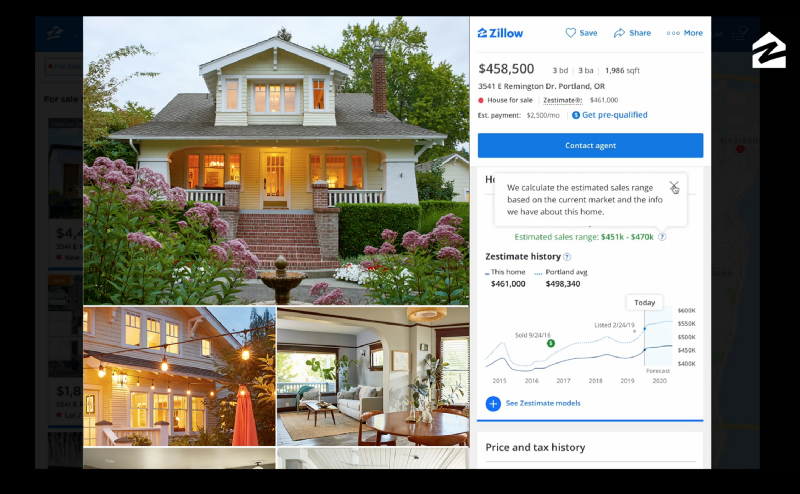
Zillow’s Zestimate is one of the most widely recognized home value estimators. It uses public property records, user-submitted data, and MLS listings to provide estimated values for millions of homes in the United States.
The Zestimate is not an official appraisal, but it offers a quick snapshot of what a property might sell for in the current market. Many homeowners check their Zestimate regularly to track changes in value, while buyers use it as a starting point when evaluating potential purchases.
Redfin Estimate

The Redfin Estimate focuses on accuracy by pulling data directly from MLS listings and factoring in detailed property characteristics. Unlike some platforms, Redfin updates its estimates frequently, sometimes daily, which helps users keep up with shifting market conditions.
This estimator is particularly relevant for competitive markets, where home values can change rapidly. Buyers and sellers often use Redfin Estimate as a trusted benchmark.
Realtor.com Value Tool
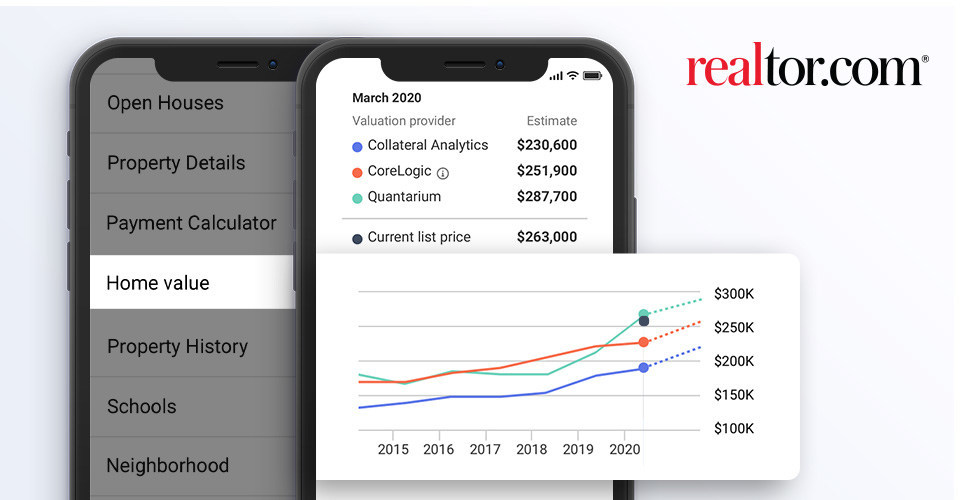
Realtor.com offers a home value tool that aggregates multiple data sources, including MLS records, recent sales, and tax assessments. What makes it distinct is that it often provides a value range rather than a single number, helping users understand potential fluctuations.
For homeowners considering listing their property, this range-based approach helps set realistic expectations and avoid overpricing or underpricing.
CoreLogic Automated Valuation Models (AVM)

CoreLogic provides home value estimates through its Automated Valuation Models (AVMs), widely used by banks, lenders, and insurance companies. These models are highly detailed, incorporating dozens of property and market variables.
For institutional users, CoreLogic’s AVM plays a critical role in risk management, underwriting, and loan approvals. It demonstrates how home value estimators are not just consumer tools but also powerful financial instruments.
Chase Home Value Estimator
Major financial institutions like Chase also provide home value estimator tools for their customers. Chase’s estimator helps homeowners understand their property’s value in the context of mortgage refinancing, home equity loans, or selling opportunities.
This integration of home value estimation with financial planning highlights how these tools extend beyond real estate decisions and into broader personal finance strategies.
How Technology Enhances Home Value Estimation
Technology has transformed home value estimators from simple calculators into sophisticated platforms. Modern estimators leverage machine learning, AI, and real-time databases to provide more accurate and context-sensitive results.
For example, AI-driven models can analyze not only property size and location but also neighborhood sentiment, local economic indicators, and even seasonal buying patterns. These tools can adapt as new information becomes available, providing dynamic updates.
Additionally, mobile apps make it possible for homeowners and buyers to check values on the go, empowering them to act quickly in competitive markets. The integration of user-generated data, such as recent renovations or upgrades, further refines accuracy.
Use Cases: Practical Scenarios Where Home Value Estimators Help
Preparing to Sell a Home
Homeowners planning to sell can use estimators to gauge an initial asking price. This helps them set realistic expectations and avoid pricing mistakes that could delay sales.
Evaluating a Purchase Decision
Buyers can check multiple estimators to compare values before making an offer. This adds confidence and reduces the risk of overpaying in a hot market.
Refinancing or Equity Loans
For homeowners considering refinancing, estimators provide a quick reference point for how much equity they hold. This helps in determining loan eligibility and negotiating terms.
Portfolio Management for Investors
Real estate investors managing multiple properties can use estimators to track overall portfolio performance. This allows them to decide when to sell, hold, or expand.
Insurance and Risk Assessment
Insurance companies and lenders rely on advanced estimators to determine property risk, replacement costs, and loan approval processes. This underscores the tool’s importance beyond consumer use.
Frequently Asked Questions
1. What is a home value estimator?
A home value estimator is an online tool or algorithm that calculates the estimated market value of a property using public data, MLS listings, and predictive analytics.
2. How accurate are home value estimators?
While they provide useful guidance, estimators are not as precise as professional appraisals. Their accuracy depends on the quality of data and the sophistication of the algorithm used.
3. Can a home value estimator replace an appraisal?
No. While estimators offer quick insights, formal appraisals conducted by licensed professionals are still required for official transactions like mortgage approvals.