Luxury Real Estate Websites: Design Principles, Features & Leading Examples
In the realm of high-end property marketing, a website is more than just a digital presence; it is a visual manifesto. The way luxury real estate websites are designed, structured, and presented communicates brand value, trustworthiness, and taste. Prospective clients of luxury properties expect seamless visuals, immersive experiences, and subtle sophistication.
Moreover, with increasing digital competition, agents and brokerages must differentiate via their web platforms. For buyers and sellers of premium properties, the website often becomes the first impression, a curated gallery, narrative, and portal all combined.
This guide explores the principles, features, technologies, benefits, and exemplary models behind standout luxury real estate websites.
Core Design Principles & Features
Visual Branding and Aesthetic Consistency
A hallmark of luxury real estate websites is their consistent, high-end visual identity. That includes careful typographic choices (sleek serifs or minimal sans), a restrained color palette (often with neutrals, golds, blacks, creams), and unified imagery style (consistent lighting, mood, retouching).
Imagery is key: full-bleed hero photos or videos, sweeping architectural shots, and curated interiors dominate. The visual narrative must evoke aspiration. Every page, from the home page to team bios, must reflect that cohesive brand aesthetic.
Branding goes beyond visuals s microinteractions, hover states, animations, and transition effects must be polished and subtle. Too much animation looks gimmicky; the goal is elegance with performance.
Navigation, Structure & User Experience
Luxury real estate websites often adopt a simplified, intuitive navigation. Top-level menus might include “Properties,” “About,” “Markets,” “Journal, and “Contact.” Sub-menus may host curated collections (e.g., waterfront, penthouses, estates).
Search and filter functionality is critical: high-end clients expect to narrow by location, price, features, view, and style. Advanced filter, e.g., by architectural style, sustainability features, or experience (resort, urban, retreat), elevates the experience.
Load performance and responsiveness are non-negotiable. All images, scripts, and assets must be optimized so pages load quickly even on mobile. Slow, clunky interfaces erode a sense of quality. The website should gracefully scale to mobile, tablet, and desktop, preserving the visual narrative.
Content Strategy: Storytelling & Trust Elements
Luxury property websites go beyond listings; they tell a story. Copy should include immersive storytelling, context about lifestyle, neighborhood narratives, architectural vision, and developer ethos. This content establishes an emotional connection.
Trust elements such as credentials, awards, press mentions, client testimonials, media logos, and team bios lend authority. Even a blog or journal section exploring luxury design, market trends, or architecture helps position the site as more than a sales tool, as a thought leader.
Integration of video (walkthroughs, drone tours, cinematic property films) further enriches content. Embedded virtual tours or 3D models allow visitors to explore spaces interactively.
Technology, Integration & Innovation
Interactive Media & Virtual Tours
Modern luxury real estate websites often include immersive media: 360° panoramas, virtual reality (VR) showrooms, Matterport-style walkthroughs, and drone flyovers. These let visitors explore spaces at their own pace, from every angle.
High-resolution imagery with zoom and hotspot detail enhancements enables users to examine materials, textures, and finishes up close. Some platforms even allow toggling between “before/after” or daylight/night modes.
Smart Integrations, APIs & Backend Systems

Behind the scenes, luxury real estate sites connect to MLS/IDX feeds or private listing APIs to dynamically update inventory. They may integrate CRM systems, lead capture mechanisms, and marketing automation.
Some advanced sites link smart home data; for instance, an owner could showcase energy consumption, home automation features, or sustainability certifications. Such data can be presented via dashboards or on listing pages to further differentiate.
Chatbots, live messaging, and scheduling tools (for tours or consultations) are often baked in. These facilitate immediate engagement without distracting from the aesthetic.
Real-World Example Websites & Why They Work
Below are three standout examples of luxury real estate websites. Each exemplifies a particular strength or approach in the luxury property web space.
LuxuryPresence Portfolio (Luxury Presence)

Luxury Presence is a company that builds luxury real estate websites for top-tier agents and brokerages. Their portfolio websites stand out for polished visuals, minimalistic layouts, and storytelling approach. On their site, clients like Jade Mills have web platforms that showcase both properties and personabrands. Their designs prioritize white space, strong hero visuals, and clean navigation.
This example is relevant because it shows how combining personal branding and property curation can elevate a site beyond just listings. Luxury Presence also markets itself as a design authority in this niche.
LuxuryEstate.com
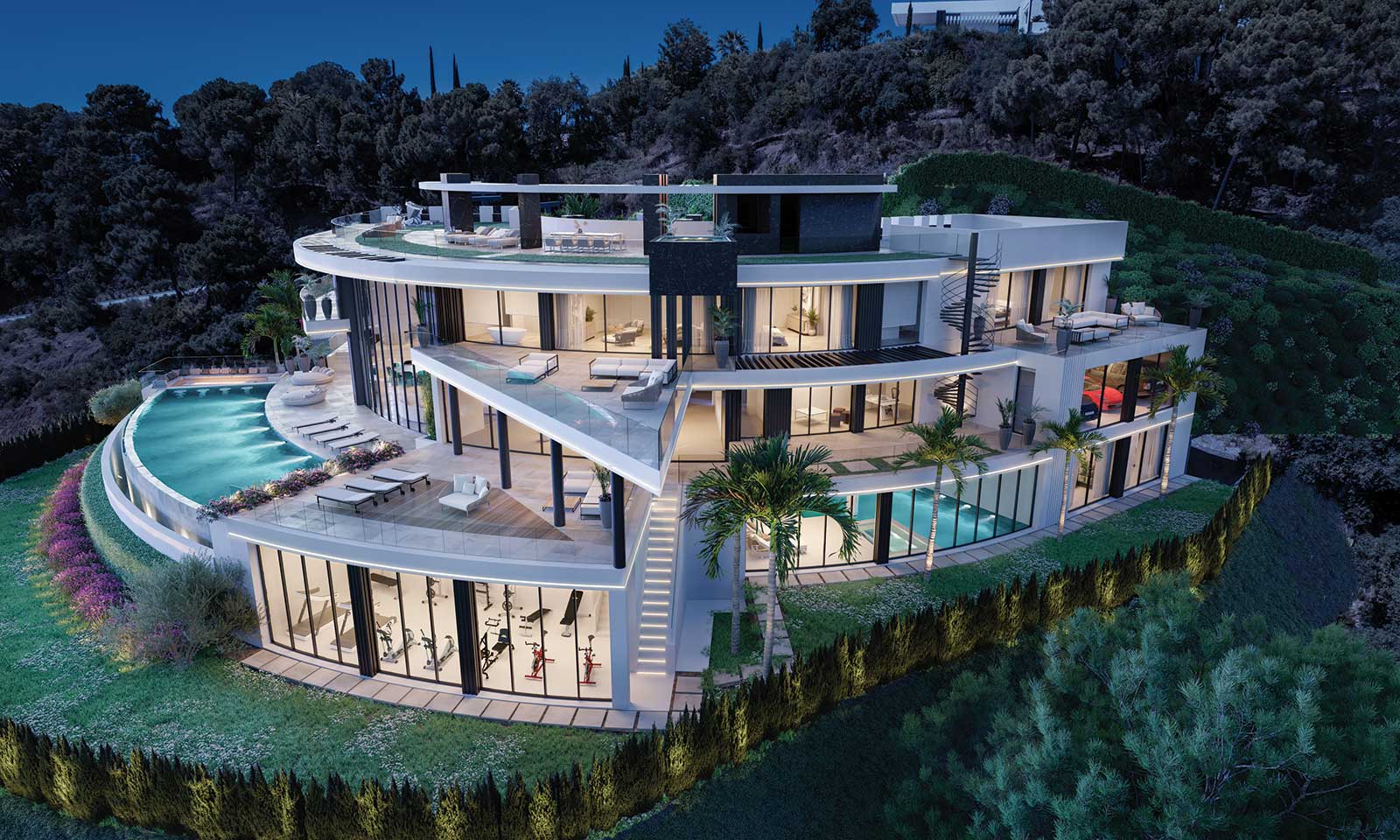
LuxuryEstate.com is a global luxury real estate portal listing high-end properties worldwide. The site balances breadth with selectivity: the design is clean, images are high resolution, and navigation emphasizes global markets, exclusive collections, and editorial content.
Its value lies in trust and scale; users know they’re browsing elite inventory. For individual agents and brokerages, this site functions as inspiration for how to host curated, premium-level listings at scale.
Christie’s International Real Estate
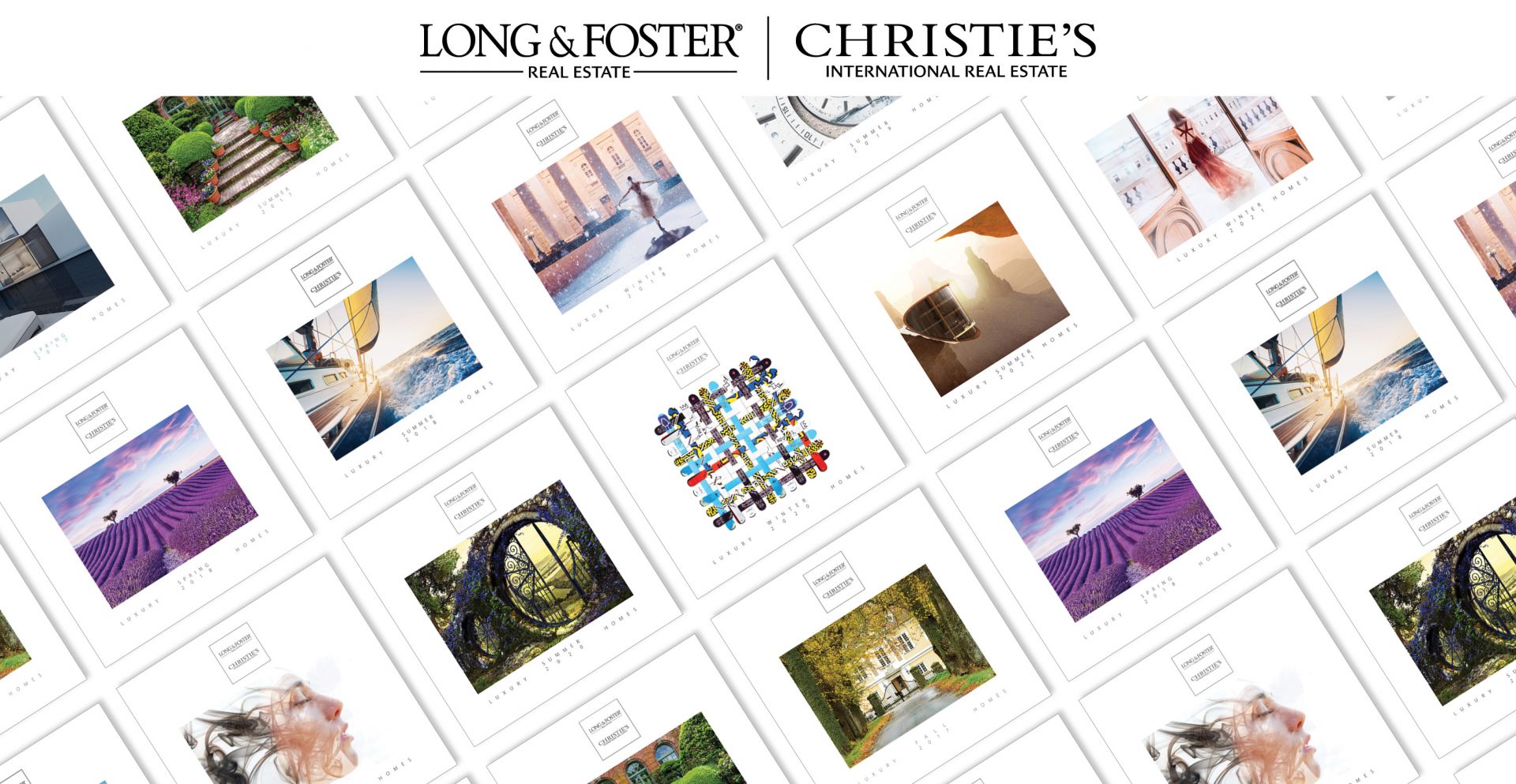
As part of the Christie’s luxury brand, their real estate website aligns with the brand’s prestige. The site uses understated elegance, large signature images, and refined interactions. Listings are presented with rich storytelling, immersive gallery flows, and architectural narratives.
This example is relevant for agents aiming for aspirational positioning: the site is not flash, but confidence in design, photography, and editorial tone.
Benefits of High-Quality Luxury Real Estate Websites
Enhanced Brand Perception & Authority
A polished website signals professionalism, taste, and quality. For clients investing high sums, the site becomes a trust filter. A well-executed site helps position an agent or brokerage as premium, which allows for stronger pricing and brand loyalty.
Better Lead Quality & Conversion
When buyers approach via a luxury-level website, they’re usually more serious. Interactive elements, filtered search, engaging content, and seamless scheduling encourage deeper engagement rather than casual browsing. Leads gathered are often more qualified.
Marketing Efficiency & Cross-Channel Synergy
A strong core website can fuel digital ads, social media, email campaigns, and print collateral. High-quality imagery, videos, and narrative can be reused across channels. The site becomes a hub of owned content, reducing reliance on third-party platforms.
Data Insights & Behavioral Analytics
Because luxury sites tend to host more engagement (VR tours, video views, Zoom interactions), analytics can reveal rich insights. You can track which visuals draw attention, which property features are zoomed in on most, and optimize accordingly. Those data-driven refinements improve performance over time.
Use Cases & Problem-Solving Applications
Use Case 1: Remote Buyers & International Clients
Luxury real estate often attracts international or remote buyers who cannot visit physically. A website with virtual tours, drone footage, and rich visuals allows them to evaluate properties remotely and shortlist with confidence.
Use Case 2: High-End Rebranding of an Agent / Brokerage
An established agent or boutique brokerage looking to reposition upward can use a luxury real estate website to signal strategic evolution. The site itself becomes the brand statement, visually and functionally communicating a new direction.
Use Case 3: Exclusive Collections & Off-Market Listings
Some luxury agents maintain off-market listings or invite-only portfolios. A specialized website (password-protected sections, private galleries) can serve as a digital vault or VIP preview area, enhancing exclusivity and client trust.
Problem Solved: Overcrowded Marketplace & Differentiation
In luxury real estate, many agents compete for attention. Generic real estate sites with poor visuals or cluttered layouts dilute brand messages. A premium website differentiates, anchoring your identity and positioning.
Best Practices & Design Recommendations
-
Image optimization & responsive loading: Use lazy loading, WebP or AVIF formats, and adaptive image sizing so visuals don’t slow performance.
-
Alt text & structured data for images: Helps SEO by giving context to images (e.g., “modern luxury villa pool view”).
-
Progressive enhancement: The site should function well even if scripts are disabled; advanced media features layer on top.
-
Focus on minimalism & whitespace: Avoid visual clutter; let compelling imagery breathe.
-
Consistent microinteractions & transitions: Subtle animations on hovers and scrolls should feel deliberate and premium, not distracting.
-
Security & privacy considerations: For off-market listings or VIP content, encryption, access control, and secure hosting matter.
-
Content cadence & updates: Maintain an editorial or journal section to keep the site fresh and signal activity.
Conclusion
Luxury real estate websites are not merely digital listing platforms; they’re brand pillars, storytelling vehicles, and experience enablers. The right design, media integration, content strategy, and backend architecture can transform how high-end clients perceive a brand and its properties.
By analyzing standout examples, understanding technology and benefits, and applying best practices, agents and brokerages can elevate their web presence to reflect the quality and exclusivity of the properties they represent.
FAQ
1. What features must a luxury real estate website include?
A luxury site should offer high-resolution imagery, virtual tours / 3D walkthroughs, advanced filters, performance optimization (fast loading, responsiveness), well-crafted storytelling content, and seamless lead capture tools.
2. How important are virtual tours and immersive media?
Very important that they bridge the physical experience gap for remote visitors. Virtual tours and embedded 3D walkthroughs deepen engagement and help clients envision a property virtually before visiting.
3. Can a luxury real estate website improve SEO while being highly visual?
Yes, by optimizing image sizes, using descriptive alt text and image filenames, leveraging structured data, ensuring clean code, and maintaining high performance (fast loading). A balance of visuals and SEO fundamentals is key.