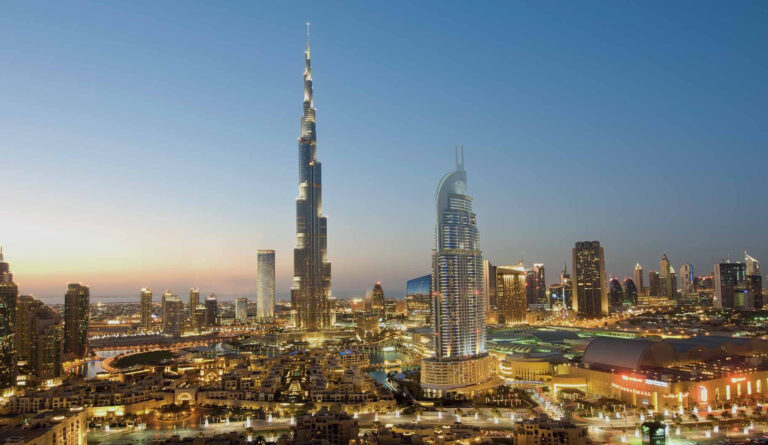
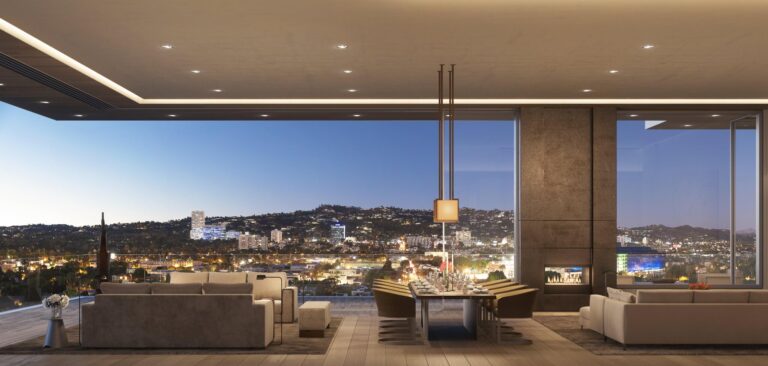
Modern Urban Living: Redefining City Lifestyles with Smart Design and Sustainable Innovation
Modern urban living represents a new era of residential and lifestyle design, one where convenience, sustainability, and technology merge to create smarter, more connected city environments. As cities evolve, so do the expectations of their residents. People now seek spaces that support flexibility, eco-consciousness, and digital integration, making urban living not just a necessity but a lifestyle choice.
Understanding the Concept of Modern Urban Living
Modern urban living refers to residential lifestyles centered around city environments that prioritize efficiency, accessibility, and comfort. These spaces combine contemporary architecture, intelligent design, and technological solutions to meet the needs of modern professionals, families, and retirees.
Urban living today goes far beyond traditional apartment life; it’s about creating vibrant communities where work, recreation, and wellness are seamlessly integrated. Developments often include co-working spaces, fitness centers, green rooftops, and easy access to transport hubs.
Key Elements That Define Modern Urban Living
Modern urban living combines multiple layers of design and functionality. Below are the most defining features that shape the lifestyle:
-
Compact and Efficient Layouts: Maximizing limited space with smart interior design and multifunctional furniture.
-
Connectivity and Smart Technology: Integrating IoT systems for lighting, temperature, and security control.
-
Sustainability: Implementing green building materials, energy-efficient lighting, and water-saving systems.
-
Community Integration: Shared amenities, such as lounges, gyms, and gardens, encourage social interaction.
-
Accessibility: Proximity to essential urban infrastructure such as transportation, retail, and dining options.
These elements together foster a lifestyle that balances the fast pace of city life with comfort and sustainability.
The Role of Technology in Enhancing Urban Living
Modern urban living thrives on technology. From smart home automation to AI-driven energy management, technology enables residents to enjoy convenience and control.
Smart Home Integration
Smart homes allow residents to manage lighting, temperature, and security through mobile devices or voice assistants. This level of control enhances both comfort and safety while optimizing energy use.
Sustainable Technology
Green innovations such as solar panels, rainwater harvesting, and motion-sensor lighting significantly reduce environmental impact. These systems not only cut costs but also contribute to global sustainability efforts.
Real-World Examples of Modern Urban Living Concepts
To understand how the concept applies in real environments, let’s explore a few notable examples of projects and innovations shaping modern city life.
1. The Edge – Amsterdam, Netherlands
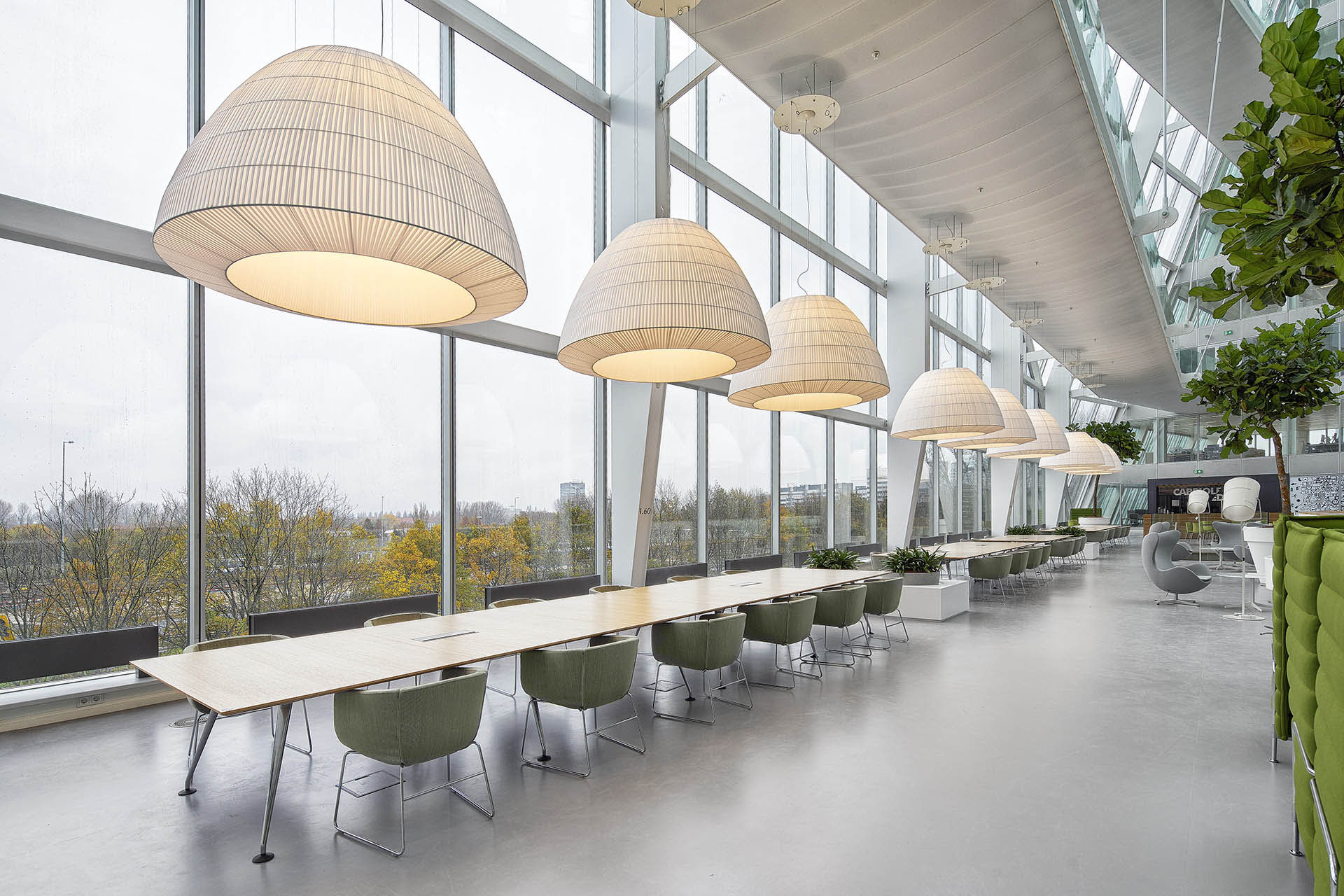
The Edge in Amsterdam is often labeled the world’s smartest building. It uses IoT-driven technology to monitor energy usage, occupancy, and climate control. The building adapts lighting and temperature automatically, optimizing comfort while minimizing waste.
Every element, from desk occupancy sensors to smartphone-controlled workspaces, reflects how urban architecture can embrace intelligent ecosystems. The Edge showcases how technology-driven design transforms sustainability into a daily lifestyle feature rather than an abstract goal.
2. Bosco Verticale – Milan, Italy
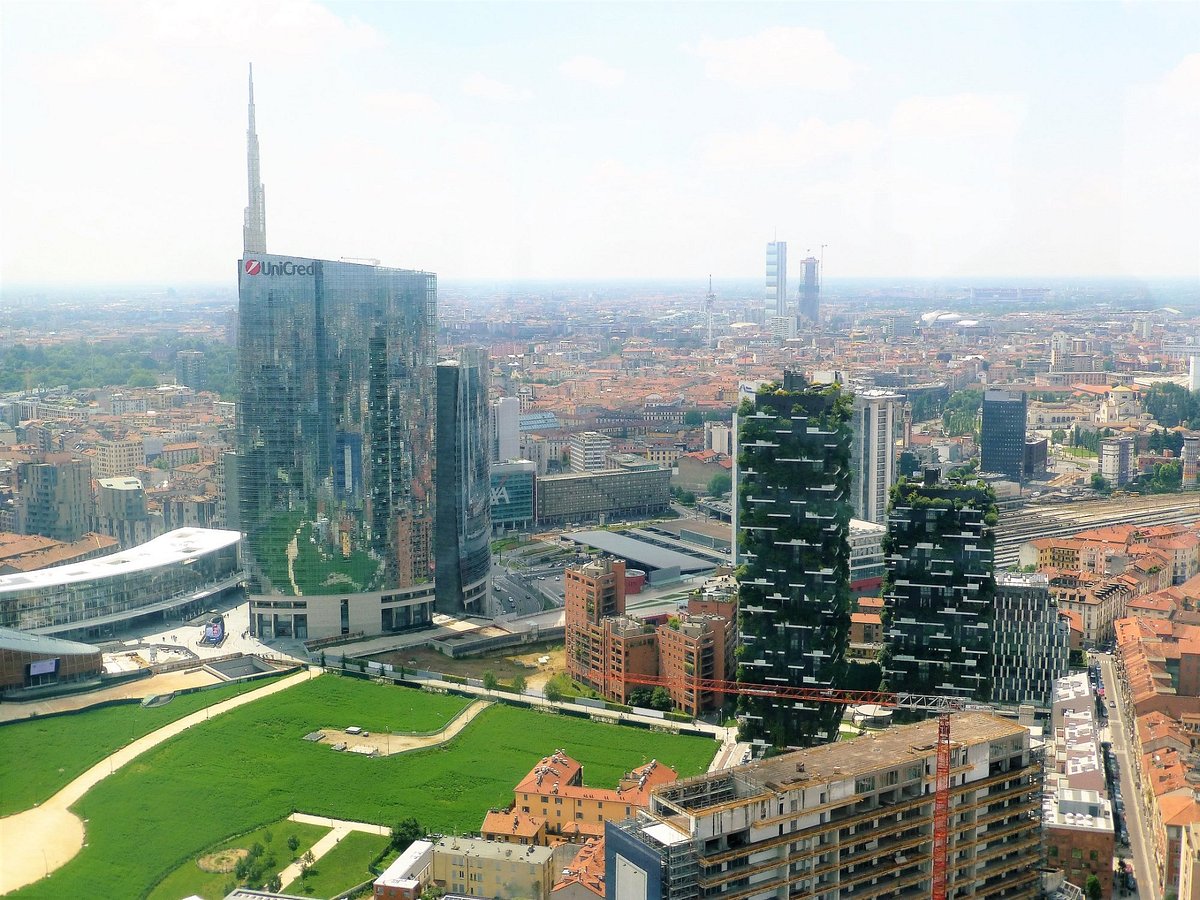
Bosco Verticale (“Vertical Forest”) represents a perfect fusion of nature and architecture. The twin residential towers are covered with more than 900 trees and thousands of plants, absorbing CO₂ and producing oxygen while insulating the apartments.
This innovative concept redefines what modern living means in dense urban settings. Residents enjoy cleaner air, reduced noise, and a visual connection with nature, a stark contrast to typical concrete jungles.
3. One Central Park – Sydney, Australia
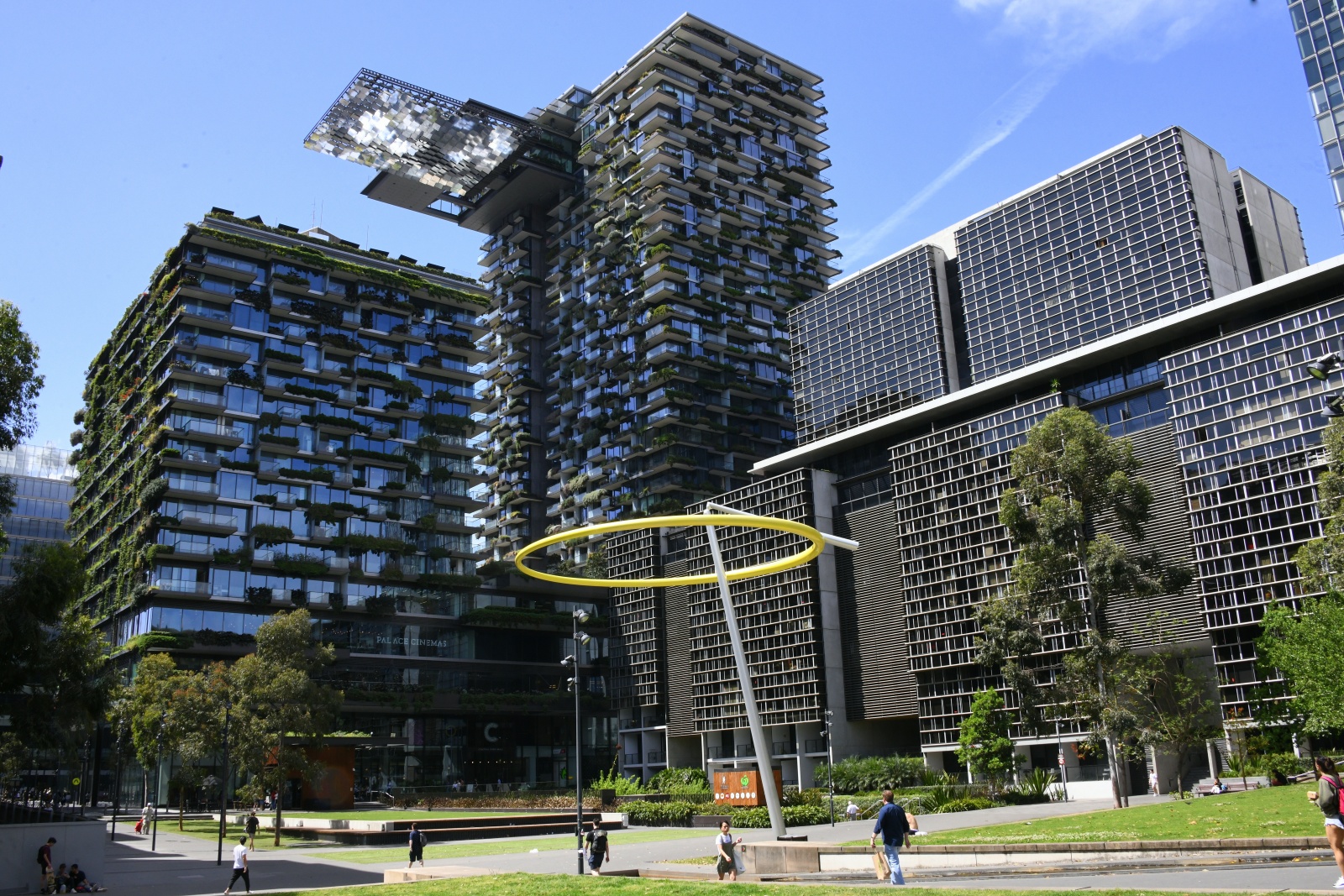
One Central Park stands out for its sustainable features, including heliostats that redirect sunlight into shaded areas and vertical gardens that regulate building temperature. The complex integrates residential, commercial, and recreational areas, promoting urban self-sufficiency.
It exemplifies how architectural design can prioritize both aesthetics and environmental responsibility, hallmarks of modern urban living that enhance both quality of life and community interaction.
4. Hudson Yards – New York City, USA
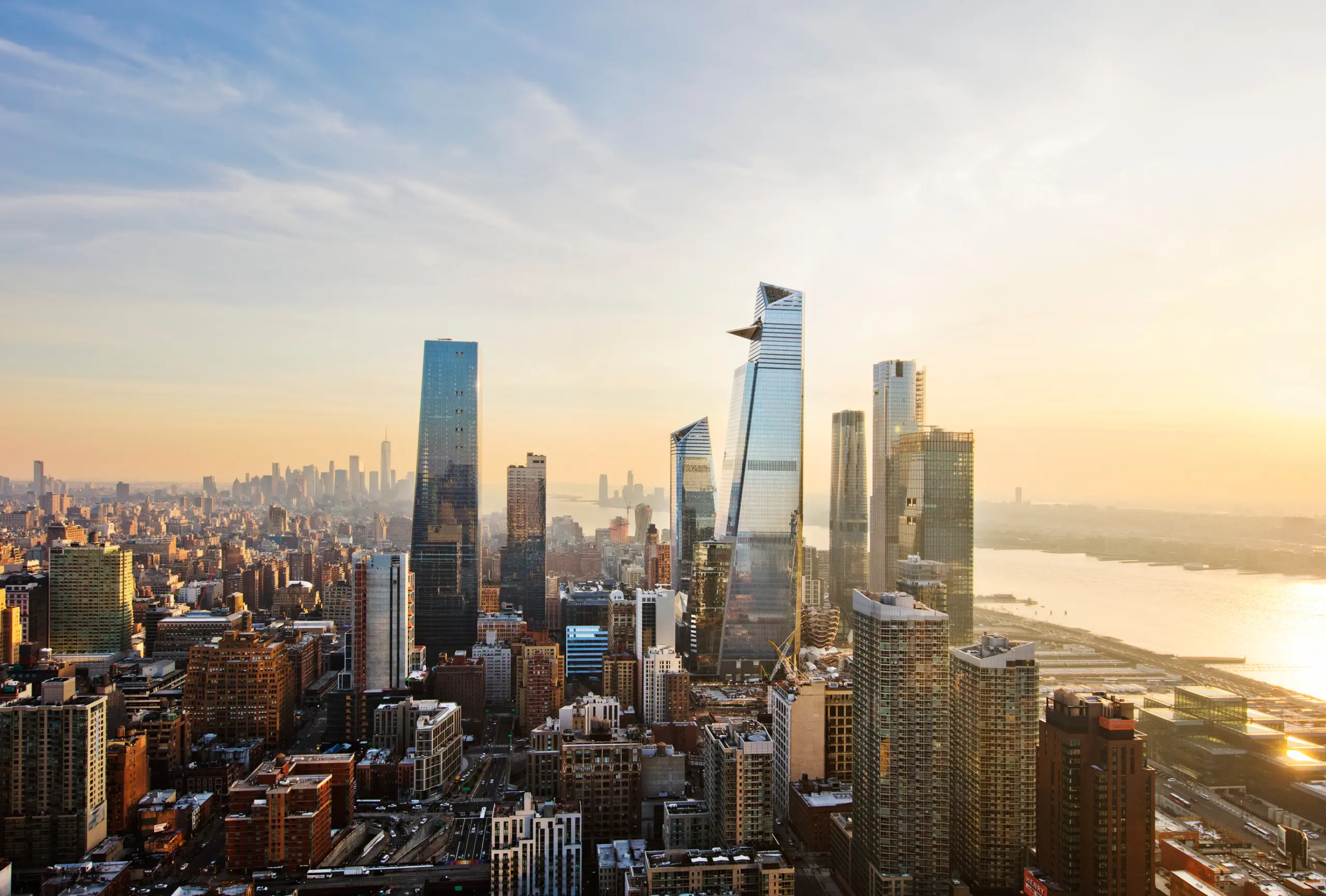
Hudson Yards is a landmark of modern urban lifestyle development. This mixed-use complex integrates residential spaces, offices, retail, and cultural venues into one ecosystem. Its digital infrastructure allows residents to access concierge services, environmental controls, and neighborhood updates through a centralized app.
The project demonstrates how technology can make dense city living efficient and enjoyable by seamlessly connecting physical and digital spaces.
Benefits of Modern Urban Living
Modern urban living offers far-reaching benefits for residents and cities alike.
Enhanced Convenience
Living in a well-planned urban environment means immediate access to transportation, entertainment, healthcare, and education. Residents save time and enjoy smoother daily routines.
Sustainability and Energy Efficiency
Energy-efficient buildings reduce both environmental impact and living costs. Smart meters, LED lighting, and solar panels are just a few examples of how green technology contributes to sustainable living.
Community and Connectivity
Urban living encourages social interaction through shared spaces and communal areas. This environment fosters networking, friendships, and a sense of belonging that’s often missing in suburban or isolated lifestyles.
Improved Quality of Life
Modern urban homes emphasize comfort, design, and wellness. Access to fitness centers, green areas, and co-working hubs allows residents to maintain a balanced and fulfilling lifestyle.
Real-Life Use Cases and Applications
Modern urban living addresses various challenges faced by city residents.
Solving Space Constraints
By implementing efficient layouts and modular furniture, modern urban apartments optimize small living areas without sacrificing comfort.
Reducing Environmental Footprint
Eco-friendly materials and renewable energy systems significantly cut emissions and waste. Cities adopting these principles become cleaner and more resilient.
Enhancing Safety and Security
Smart surveillance, access control, and automated systems improve residential safety while giving residents peace of mind.
Promoting Work-Life Balance
Flexible spaces such as shared offices and wellness zones within apartment complexes make it easier to separate work and leisure without commuting long distances.
The Future of Modern Urban Living
The future of modern urban living lies in further integration of digital ecosystems, sustainability, and design innovation. Upcoming developments focus on AI-driven infrastructure, carbon-neutral materials, and adaptable modular units that evolve with residents’ needs.
Cities worldwide are embracing the “15-minute city” concept, ensuring that everything residents need, from offices to parks, is within a short walk or bike ride. This urban design philosophy supports sustainability and well-being, which are at the core of modern living.
FAQs About Modern Urban Living
1. What makes modern urban living different from traditional city apartments?
Modern urban living emphasizes smart design, sustainability, and community engagement, integrating advanced technologies and eco-friendly features that traditional apartments often lack.
2. How does modern urban living contribute to sustainability?
Through energy-efficient designs, renewable energy sources, and sustainable materials, modern urban developments significantly reduce carbon footprints and improve urban ecosystems.
3. Is modern urban living suitable for families or only for young professionals?
It suits various lifestyles from singles and professionals to families and seniors. Flexible spaces, safety systems, and access to amenities make it adaptable for everyone.