NNN Properties for Sale: Complete Guide to Triple Net Lease Investments
Investing in commercial real estate often requires careful evaluation of risk, management, and returns. Among the most popular options for passive investors are NNN properties for sale, short for triple net lease properties. These investment opportunities provide stable, predictable income with minimal landlord responsibilities. In this article, we’ll explore what NNN properties are, why they’re valuable, and how they’re reshaping real estate investment strategies.
What Are NNN Properties?
NNN properties, or triple net lease properties, are commercial real estate assets leased to tenants under agreements where the tenant is responsible for paying property taxes, insurance, and maintenance costs on top of rent. This setup reduces landlord obligations and creates a steady flow of passive income.
For investors, this means owning the property while shifting most of the operational risks and costs to the tenant. Popular NNN tenants include national retailers, convenience stores, pharmacies, and fast-food chains with long-term leases.
Why Investors Choose NNN Properties for Sale
NNN properties appeal to both seasoned and first-time commercial investors for several reasons. The main advantages include predictable income, long-term leases, and reduced management responsibilities. Unlike other real estate investments, landlords aren’t dealing with repairs, tenant turnover, or operational expenses.
Additionally, these properties often come with creditworthy tenants such as well-known retail chains. This creates confidence that rent will be paid consistently and the investment will remain stable even in fluctuating market conditions.
Walgreens Triple Net Lease

One of the most recognized examples of NNN properties is Walgreens. As a national pharmacy chain, Walgreens often signs long-term leases of 15–25 years, covering rent plus property taxes, insurance, and maintenance.
Investors are drawn to Walgreens locations because of their strong credit rating, essential services, and nationwide footprint. A Walgreens NNN lease property provides consistent cash flow and minimal landlord involvement, making it a prime example of why this model is so attractive.
McDonald’s NNN Properties

McDonald’s has built its empire on real estate as much as food. Many of its restaurants operate under NNN leases, which benefit investors looking for stability. These leases typically extend for decades, often with rent escalations built in to account for inflation.
Owning a McDonald’s NNN property means partnering with one of the most recognizable brands in the world, backed by strong corporate financials. The combination of a global name and essential service ensures that investors receive steady income with virtually no operational responsibilities.
7-Eleven Convenience Stores

Another strong NNN example is 7-Eleven, a convenience store chain with thousands of locations worldwide. These properties are in high demand because 7-Eleven typically occupies prime retail corners with heavy foot and vehicle traffic.
NNN leases with 7-Eleven often include corporate guarantees, which protect investors from default risk. This makes them a highly desirable option for those seeking long-term passive income.
Dollar General Stores
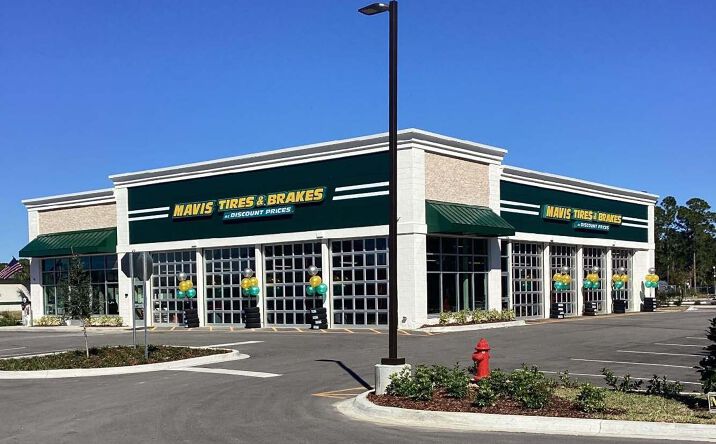
Dollar General has become one of the most sought-after NNN tenants due to its rapid nationwide expansion and focus on essential consumer goods. These properties usually sit in suburban or rural areas, filling a niche for low-cost shopping.
Investors value Dollar General NNN properties because of their affordability and strong tenant reliability. The combination of low acquisition costs compared to luxury retailers and long lease terms makes them a common entry point for NNN investors.
Starbucks NNN Lease
Starbucks locations are also frequently available as NNN properties for sale. With their strong brand reputation, high customer demand, and prime locations, Starbucks offers investors a chance to own property backed by a company with robust financials.
The NNN lease setup means Starbucks is responsible for operational costs, while investors benefit from rental income tied to a globally recognized coffee chain.
Benefits of Technology in NNN Property Investments
Technology has significantly enhanced how investors analyze and acquire NNN properties. Online platforms now allow investors to access detailed property data, tenant credit histories, and lease terms remotely.
Advanced analytics tools can predict long-term cash flow, calculate risk-adjusted returns, and model different investment scenarios. Virtual tours and drone footage also enable investors to view properties without traveling, making it easier to evaluate options nationwide.
This digital shift streamlines the due diligence process and empowers investors to make smarter, data-backed decisions.
Practical Use Cases of NNN Properties
Passive Income for Retirees
Many retirees look to NNN properties as a way to generate steady, predictable cash flow without the burden of managing tenants or maintenance. These investments provide peace of mind and financial stability in retirement.
Portfolio Diversification
NNN properties are a reliable diversification tool for investors with stocks, bonds, or multifamily holdings. Because of their long-term leases with strong tenants, they add stability and balance to a portfolio.
Inflation Protection
Most NNN leases include rent escalations tied to inflation. This ensures that the investor’s income grows over time, protecting against declining purchasing power.
Risk Management
By leasing to creditworthy national tenants, NNN properties reduce the risk of default. This makes them safer than many other forms of real estate investment, particularly in volatile markets.
Why NNN Properties for Sale Are a Strong Investment Choice
NNN properties offer a unique blend of low-risk, low-management, and high-stability returns. With strong tenants, long-term leases, and predictable income, they represent one of the most attractive passive income strategies in commercial real estate.
The growing demand for essential services like pharmacies, fast-food restaurants, and convenience stores only strengthens the appeal of these investments. For investors seeking long-term security, NNN properties are a cornerstone of smart portfolio building.
Frequently Asked Questions
1. What does “NNN” mean in real estate?
NNN stands for “Triple Net Lease,” where the tenant pays property taxes, insurance, and maintenance in addition to rent. This shifts responsibility from the landlord to the tenant.
2. Who are common tenants in NNN properties?
Typical tenants include national chains such as Walgreens, McDonald’s, Starbucks, Dollar General, and 7-Eleven. These tenants provide reliable rental income backed by strong corporate credit.
3. Why are NNN properties considered low-risk investments?
Because tenants are responsible for operating expenses and many leases are backed by financially strong corporations, investors face fewer risks and enjoy predictable, long-term cash flow.