Real Estate Agent Listings: Complete Guide to Understanding, Using, and Maximizing Listings in 2025
When people search for real estate agent listings, they are typically looking for a reliable way to explore available homes, condos, or investment properties in their area. Listings are the foundation of modern real estate transactions, providing detailed information about properties, including location, price, size, features, and images.
For buyers, listings serve as the first step in discovering potential homes. For sellers, they are the key to reaching the right audience. And for agents, listings are one of the most powerful tools to market properties, connect with clients, and close deals efficiently. Understanding how real estate agent listings work and how they can be optimized is essential in today’s property market.
What Are Real Estate Agent Listings and Why They Matter
Real estate agent listings are curated property entries created by licensed agents to showcase homes for sale or rent. They include essential details such as square footage, amenities, year built, and often professional photography or virtual tours. Unlike generic property advertisements, listings are tied to licensed professionals who ensure accuracy and compliance with legal standards.
The importance of these listings cannot be overstated. Buyers use them to compare properties, identify potential homes, and schedule showings. Sellers rely on them to market their homes to the widest possible audience. Agents, in turn, depend on well-structured listings to attract leads and demonstrate their professionalism.
The Role of Technology in Real Estate Listings
Technology has completely reshaped how listings are created, managed, and consumed. Advanced platforms now feature:
-
Virtual tours allow buyers to explore properties remotely.
-
AI-driven recommendations that match users with properties based on preferences.
-
Drone photography for aerial views of homes and neighborhoods.
-
Mobile-friendly apps that deliver instant notifications when new listings appear.
This evolution means real estate agent listings are no longer static text and photos—they are interactive experiences that give buyers a real sense of a property without stepping inside. For agents, technology also streamlines listing management, ensuring updates are instant and accessible across multiple platforms.
Real-World Examples of Real Estate Agent Listings Platforms
Zillow Premier Agent
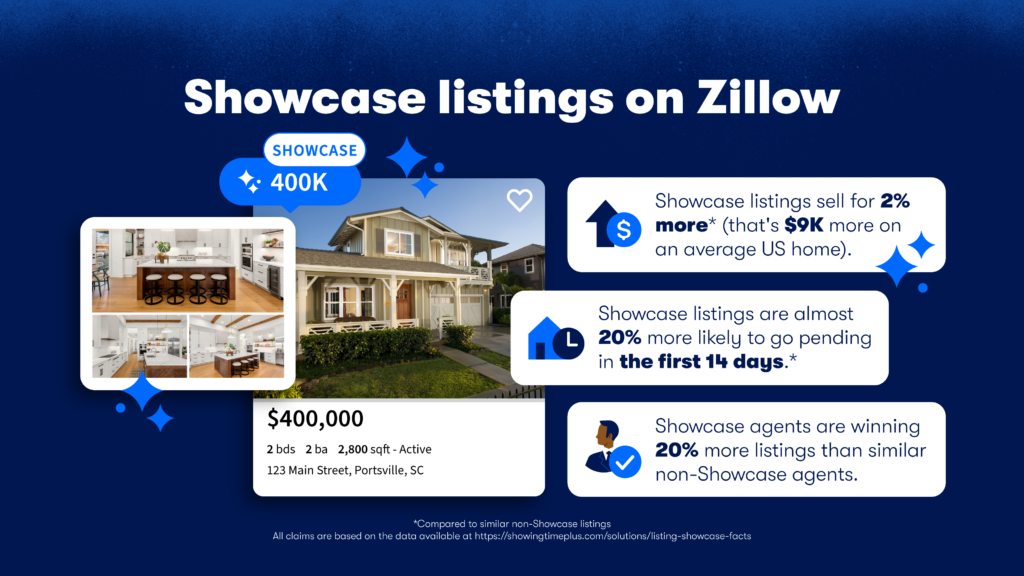
Zillow is one of the most recognizable names in online real estate, and its Premier Agent program gives realtors a powerful platform to showcase their listings. Buyers can view high-quality images, read detailed property descriptions, and even access estimated home values.
The platform also integrates advanced filters, making it easier for buyers to narrow down searches by price range, location, or home features. For agents, Zillow Premier Agent boosts visibility and connects them directly with motivated buyers.
Realtor.com Agent Listings

Realtor.com is another industry leader, known for its accuracy and comprehensive coverage. Agents listing properties on this platform benefit from exposure to millions of monthly visitors. Realtor.com emphasizes verified data, reducing the chances of outdated or incorrect property details.
For buyers, Realtor.com listings often include school district information, commute times, and neighborhood insights, making the decision-making process more informed. This level of detail demonstrates how modern listings go beyond the basics to offer lifestyle-related context.
Redfin Listings with Agent Insights
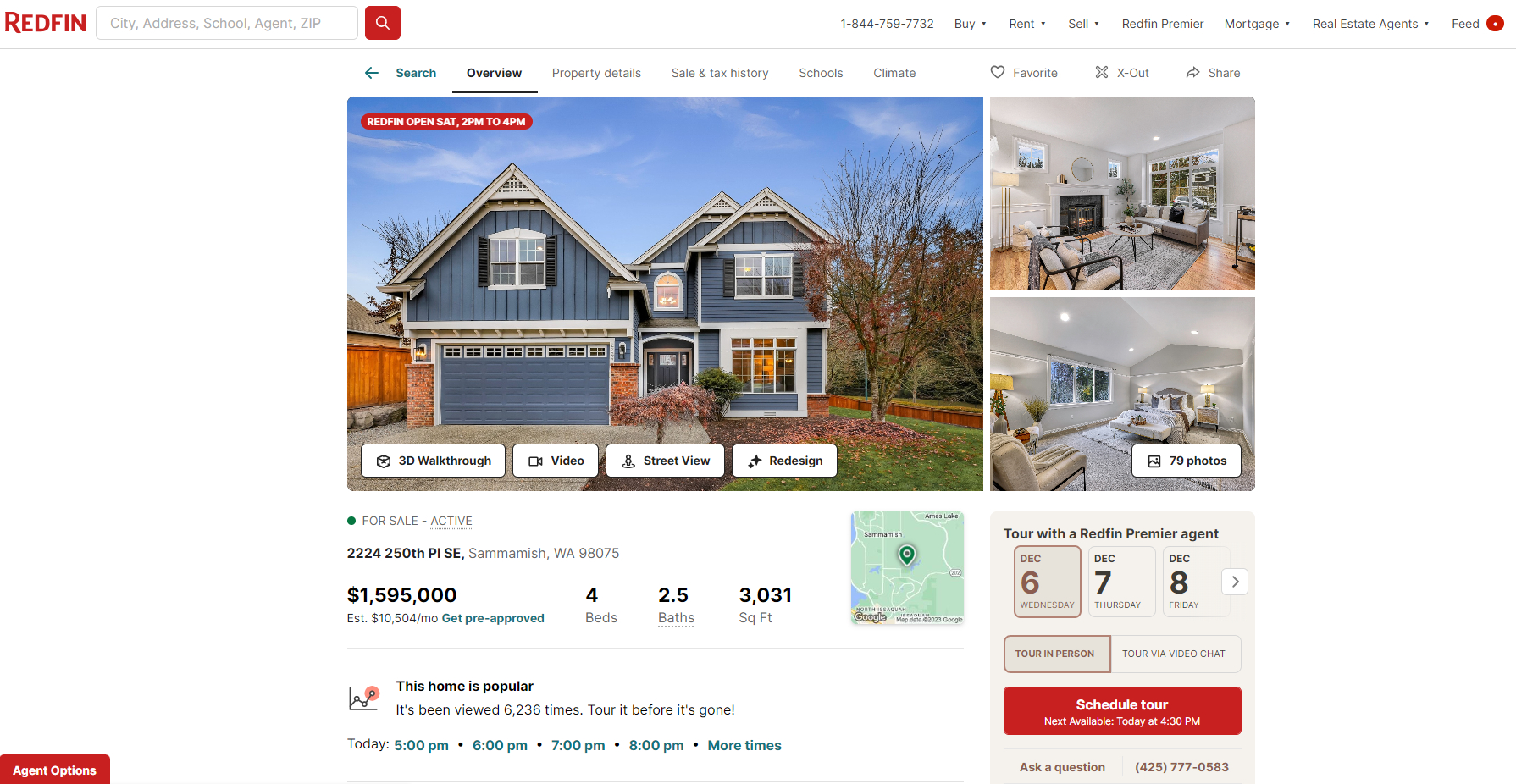
Redfin is widely used for its transparent pricing model and user-friendly platform. What sets Redfin apart is its integration of agent insights directly into the listings. Agents provide commentary on property conditions, recent updates, and potential improvements.
Buyers benefit by gaining a more realistic perspective of the property, while sellers appreciate the added credibility that comes with professional input. This example highlights how agent-driven listings add value beyond simple property descriptions.
Keller Williams Listing Service (KWLS)

Keller Williams provides its agents with a proprietary listing service that integrates with national MLS systems. The KWLS platform allows agents to market properties across multiple channels, including social media and third-party apps, ensuring maximum exposure.
This system demonstrates how brokerages are investing in technology to empower their agents and ensure that their listings remain competitive in a crowded marketplace.
Benefits of Using Real Estate Agent Listings
The benefits of listings extend beyond convenience. For buyers, they provide a centralized way to explore multiple properties without the need to schedule visits for every option. For sellers, listings increase property visibility and attract qualified leads who are already interested in similar homes.
From a practical standpoint, listings also ensure accuracy. Because they are managed by licensed agents, buyers can trust the information more than random online ads. Furthermore, listings often include disclosures about potential issues, protecting all parties in a transaction.
Use Cases: How Listings Solve Real Problems
Case 1: First-Time Buyers
First-time buyers often feel overwhelmed by the real estate process. Listings provide them with structured information, high-quality photos, and filters that make searching manageable. They can compare homes side by side before contacting an agent.
Case 2: Sellers Looking to Maximize Exposure
For sellers, agent listings ensure their property reaches multiple platforms, from MLS systems to online portals. This exposure is critical in competitive markets, where the right listing can mean the difference between a quick sale and a property that lingers unsold.
Case 3: Relocating Families
Families moving to new cities often cannot visit their homes in person right away. Listings with virtual tours and neighborhood insights allow them to evaluate properties remotely and shortlist the most promising options.
Case 4: Real Estate Investors
Investors depend on accurate data. Listings provide essential details like rental potential, condition of systems, and neighborhood statistics. This helps investors make decisions with confidence, even when purchasing from a distance.
How Technology Will Shape the Future of Listings
As artificial intelligence, augmented reality, and blockchain technologies advance, real estate listings will continue to evolve. AI will refine property recommendations, AR will allow immersive home staging experiences, and blockchain will secure property data to prevent fraud.
Agents who embrace these tools will gain a competitive edge, while buyers and sellers will enjoy greater transparency and efficiency.
Frequently Asked Questions
1. How do I know if a real estate agent’s listing is accurate?
Listings managed by licensed agents and published on trusted platforms are generally reliable. However, buyers should still schedule property viewings and inspections to confirm details.
2. Can I rely on listings alone when buying a property?
While listings are an excellent starting point, they should be combined with in-person visits, inspections, and professional advice to make a fully informed decision.
3. Do agents control which listings appear online?
Yes, agents submit listings through MLS systems or directly to platforms. They are responsible for updating and maintaining the accuracy of property details.