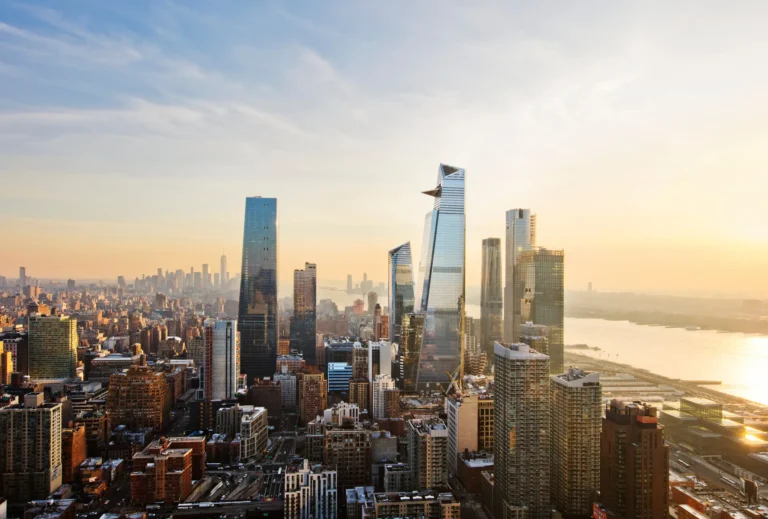
Senior Citizen High Rise: A Complete Guide to Comfortable Vertical Living for the Elderly
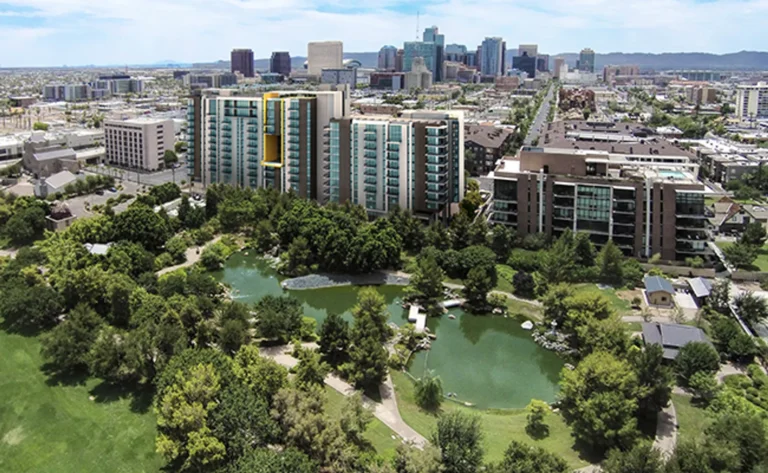
In major cities where horizontal land is limited, a new model of senior housing is rising literally. The concept of senior citizen high-rise refers to tall residential buildings specifically designed to ensure that elderly residents can live safely, comfortably, and independently. This approach combines city accessibility, complete facilities, and designs that support both physical and emotional well-being.
This article explores in depth what senior citizen high rises are, the essential technologies behind them, global examples, their practical benefits, everyday use cases, and common questions surrounding this innovative living model.
Understanding the Concept of Senior Citizen High Rise
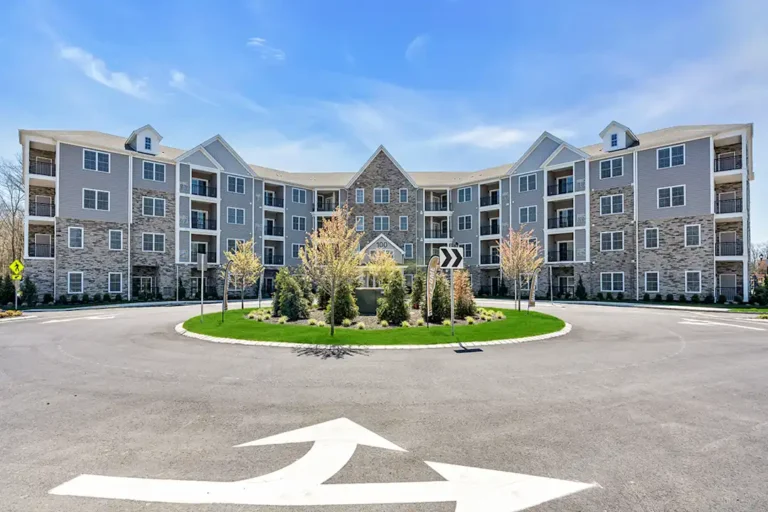
High-rise residences for seniors are vertical housing structures developed primarily for elderly residents. Every aspect of these buildings, from access and facilities to safety systems and communal areas, is customized to meet the physical and psychological needs of aging residents.
The design often includes wide elevators, stair-free walkways, automated security systems, sensors, and easily accessible social spaces. The goal is to help elderly residents remain independent with minimal physical barriers when moving in or out of their units.
Factors Driving the Growth of Senior Citizen High Rises
The global rise in the elderly population fuels the demand for housing tailored to their needs. Many seniors prefer to live in central urban areas close to medical services, public transportation, shopping centers, and social facilities.
However, city-center land is scarce and expensive. Developers have turned to vertical housing as a solution. According to senior housing trends, demand for elderly-friendly residences continues to grow, while the new supply of land.
Moreover, high-rise living provides easier access to city amenities without relying on private vehicles. It reduces mobility challenges and helps seniors stay socially connected, which is crucial for mental well-being.
Essential Technology in Senior Citizen High Rises
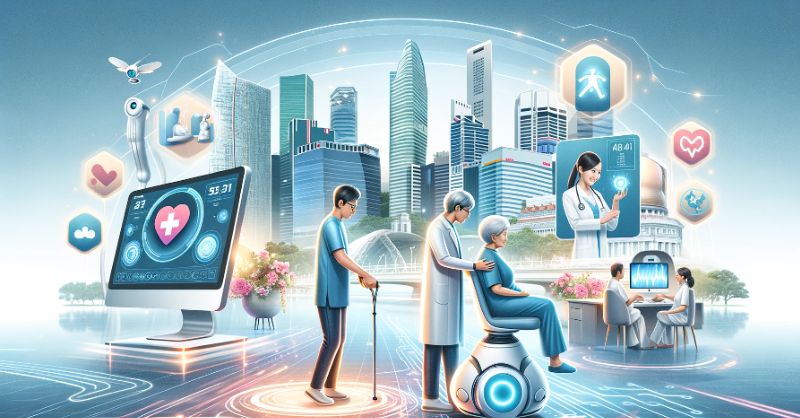
For vertical living to be comfortable for seniors, specific technologies are needed to enhance safety and convenience, such as:
Smart Elevators with Voice or Simple Touch Controls
Elevators can be programmed to respond to elderly users, offering priority trips and reduced noise or distractions for a calmer experience.
Motion Sensors & Automatic Lighting
In hallways and emergency stairways, motion sensors automatically activate lighting, preventing elderly residents from walking in dark or dim areas.
Medical Alert & In-Unit Emergency Systems
Residents can call for help directly from their apartments through emergency alert systems, ensuring fast response times in case of accidents or health issues.
Integrated Health Monitoring Systems
Some senior high rises are equipped with sleep sensors, activity monitors, or connected healthcare devices, allowing family members or caregivers to track a resident’s well-being remotely.
These technologies collectively reduce fall risks, improve emergency response, and offer peace of mind for both residents and their families.
Real-World Examples of Senior Citizen High Rises
Mirabella, Portland, Oregon, USA
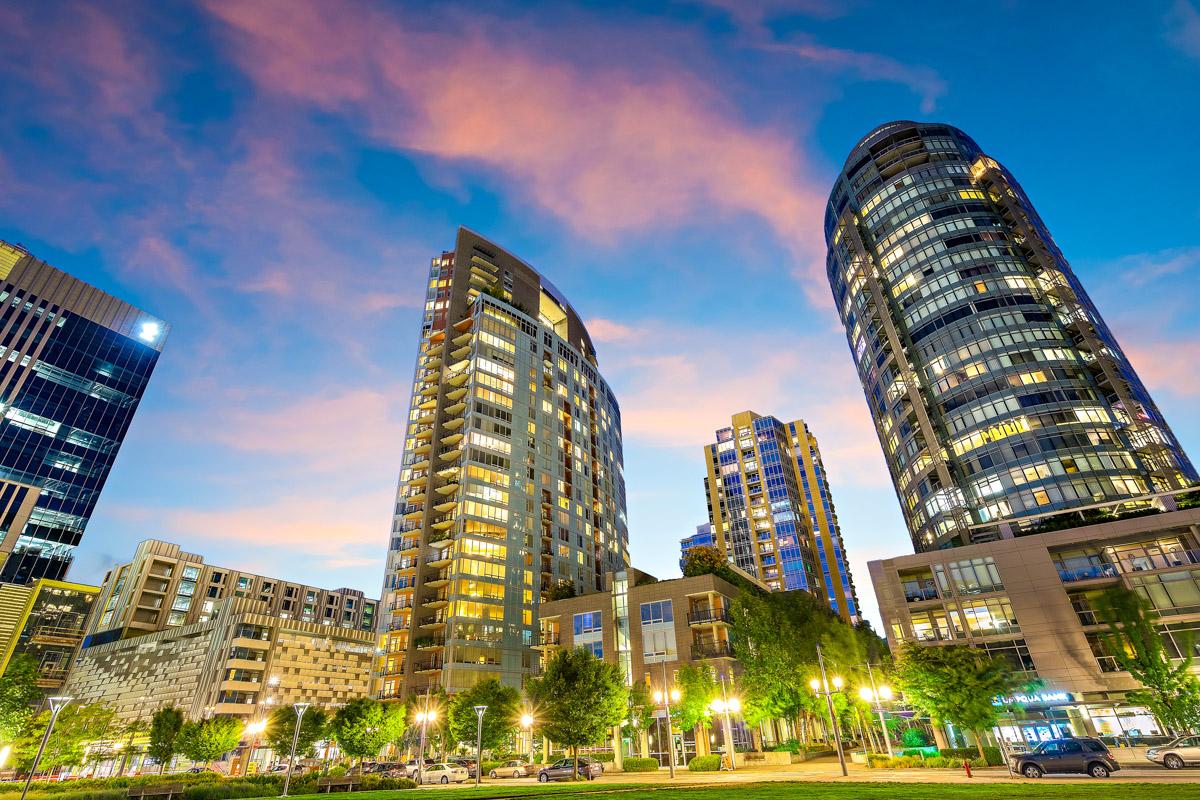
Mirabella is one of the first senior high-rise communities located in the South Waterfront, Portland. The 30-story building includes 284 residential units designed specifically for seniors.
It has received a LEED certification, showcasing the integration of sustainability and energy efficiency in senior housing. Mirabella demonstrates how vertical senior living can blend elegance, practicality, and environmental awareness.
Bohn Tower, Cleveland, USA
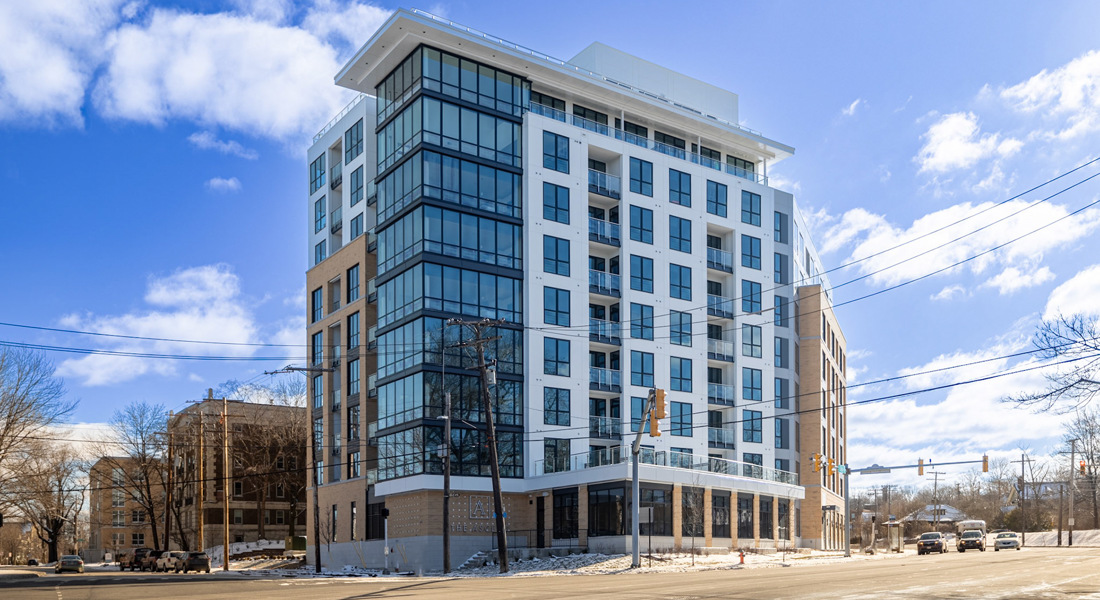
Bohn Tower is a public residential tower dedicated to senior citizens. Built in 1972 with 22 floors and 266 one-bedroom units, the tower provides affordable housing for elderly residents.
A major renovation in 2016 modernized the entire facility, upgrading its mechanical, electrical, and plumbing systems to improve comfort, safety, and accessibility.
Joyous Living Senior Housing, Hong Kong
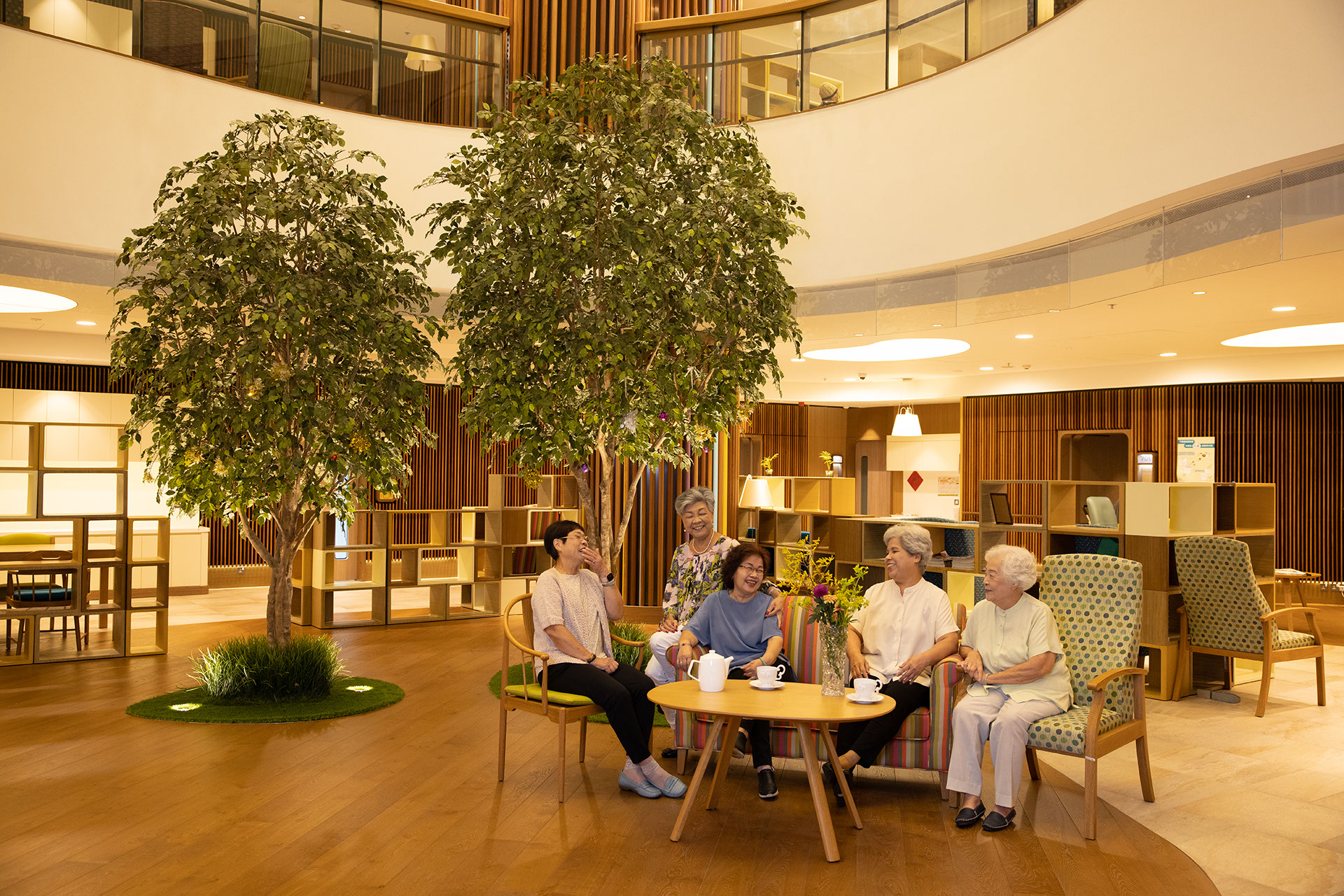
Joyous Living is an upscale residential project in Hong Kong that targets middle to upper-income seniors with a “worry-free retirement living” concept.
It offers high-quality apartments in prime urban locations with extensive on-site amenities, allowing residents to live comfortably and access all services without needing to leave the building.
Benefits of Living in a Senior Citizen High Rise
Easy Access to City Facilities
Strategic locations near public transportation and healthcare centers mean residents can reach essential services without long travel times.
Centralized Safety and Monitoring
Security personnel, surveillance cameras, and controlled access actively protect residents in high-rise buildings.
Peaceful and Clean Environment
Living on upper floors minimizes exposure to traffic noise and pollution, creating a calmer and cleaner living space.
Opportunities for Social Interaction
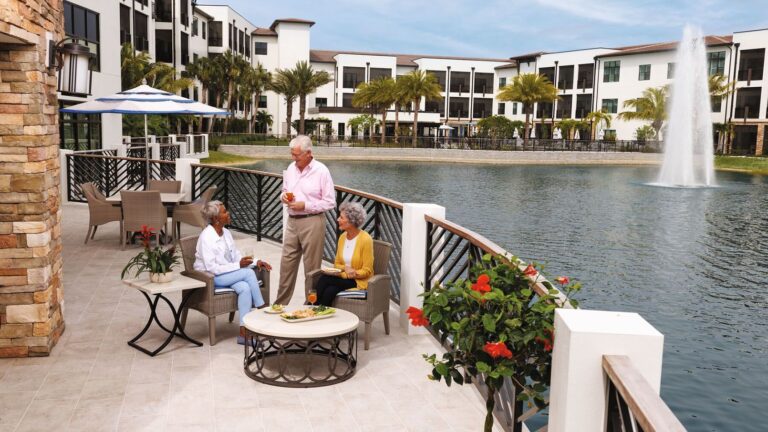
Most senior high rises include community areas, shared balconies, or rooftop gardens where residents can socialize and stay active without leaving the building.
Land and Infrastructure Efficiency
In densely populated cities, vertical structures maximize space and reduce per-unit infrastructure costs, an efficient way to accommodate a growing elderly population.
Use Cases: Problems Solved by Senior High Rises
Isolation and Loneliness
Seniors living on the outskirts of cities may feel disconnected from social activities. Urban high-rise residences bring them closer to city life, fostering community engagement.
Limited Mobility
For those with reduced mobility, high-rise living with ramps, elevators, and barrier-free design makes daily movement effortless and safe.
Slow Medical Response
In-unit emergency systems and on-site health monitoring ensure faster medical response, significantly improving residents’ safety.
Environmental and Sustainability Needs
Modern buildings incorporate energy-efficient systems, good ventilation, and green technologies, making vertical living eco-friendly and sustainable for the long term.
FAQ
1. Can elderly residents truly live comfortably in high-rise buildings?
Yes, as long as the design and facilities follow accessibility, safety, and comfort principles. Elevators, stair-free corridors, and alarm systems are essential components.
2. What are the main challenges of senior high-rise living?
Emergency evacuation procedures, maintenance of vertical infrastructure (elevators, electrical systems), and higher operational costs compared to single-family homes.
3. Has this concept been widely adopted?
Yes, in several locations, such as Mirabella in Portland. The senior housing industry continues to grow due to rising demand and limited land availability in urban centers.